Fluffy Mashed Potatoes Recipe With Garlic
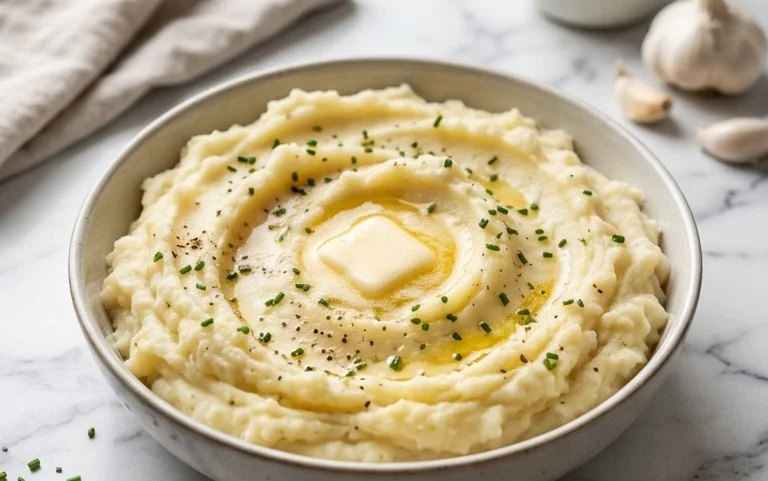
Mashed potatoes aren’t just a side dish; they’re a hug on a plate. This BEST Mashed Potatoes Recipe turns a humble potato into something truly special. We achieve that incredibly fluffy, creamy texture by starting with the right potatoes—either Russets for maximum fluff or Yukon Golds for a buttery richness. Then, we build flavor with slow-cooked garlic, plenty of good butter, and a combination of warm heavy cream and tangy sour cream. It’s the kind of mashed potato that makes a regular weeknight dinner feel like a celebration and is always the first thing to disappear at holiday gatherings. This recipe focuses on the foundational steps to ensure you get perfectly cooked, wonderfully seasoned potatoes every single time. Forget grainy or watery mashed potatoes; we’re aiming for pure comfort.
The Foundation: Perfectly Cooked Potatoes
Getting the potatoes right is the absolute bedrock of fantastic mashed potatoes. We’re using either russet or Yukon gold potatoes here because they have a great starch content that breaks down beautifully when cooked, giving us that fluffy, creamy texture. Russets tend to be fluffier, while Yukon Golds offer a slightly richer, buttery flavor and a creamier consistency right from the start. Peel your potatoes and cut them into large, roughly uniform cubes. Uniformity is key here so they all cook at the same rate. If some are too small, they’ll turn to mush before the larger ones are tender. If they’re too large, they’ll take ages and might become waterlogged. Think about the size of a large egg as a general guide.
Boiling for Perfection
Now, place those potato cubes in a large pot. Don’t overcrowd the pot; the potatoes need room to move around and cook evenly. Cover the potatoes generously with cold water, about an inch or two above the potatoes. This is a crucial step: starting with cold water allows the potatoes to heat up gradually and cook through from the inside out. If you start with hot water, the outside will cook too quickly, leaving the inside rather raw.
Ingredients:
- 3 pounds russet or yukon gold potatoes, peeled and cut into large cubes
- 1 stick + 2 tablespoons unsalted butter, divided
- 7 cloves garlic (cloves individually smashed with the back of a knife)
- 3/4 cup warm heavy cream
- 3/4 cup sour cream
- 1 teaspoon salt, plus more to taste
The Foundation: Perfectly Cooked Potatoes
Getting the potatoes right is the absolute bedrock of fantastic mashed potatoes. We’re using either russet or Yukon gold potatoes here because they have a great starch content that breaks down beautifully when cooked, giving us that fluffy, creamy texture. Russets tend to be fluffier, while Yukon Golds offer a slightly richer, buttery flavor and a creamier consistency right from the start. Peel your potatoes and cut them into large, roughly uniform cubes. Uniformity is key here so they all cook at the same rate. If some are too small, they’ll turn to mush before the larger ones are tender. If they’re too large, they’ll take ages and might become waterlogged. Think about the size of a large egg as a general guide.
Boiling for Perfection
Now, place those potato cubes in a large pot. Don’t overcrowd the pot; the potatoes need room to move around and cook evenly. Cover the potatoes generously with cold water, about an inch or two above the potatoes. This is a crucial step: starting with cold water allows the potatoes to heat up gradually and cook through from the inside out. If you start with hot water, the outside will cook too quickly, leaving the inside raw. Add about a tablespoon of salt to the water. This isn’t just for seasoning the potatoes; it actually helps to season them from the inside out as they absorb the starchy cooking water. Bring the water to a rolling boil over high heat, then immediately reduce the heat to medium-high and simmer. You want a steady, gentle boil, not a furious one that will break up the potatoes too soon. Cook them for about 15 to 20 minutes, or until they are fork-tender. To test, pierce a potato cube with a fork or a sharp knife; it should slide in and out with very little resistance. If you feel any hardness, continue simmering and check every few minutes.
Infusing the Butter and Garlic
While the potatoes are boiling, it’s time to prepare the flavor base. In a small saucepan, melt 1 stick of unsalted butter over low heat. Once the butter is melted, add the smashed garlic cloves. Smashing the garlic cloves with the back of a knife (no need to mince them finely) helps them release their flavor without burning too easily. Keep the heat on low and let the garlic gently infuse into the butter for about 5 to 10 minutes. You’ll start to smell a wonderful aroma. The goal here is to gently toast the garlic, infusing its essence into the butter, not to brown or burn it, which would make it bitter. Once the garlic has infused, carefully remove the garlic cloves from the butter using a slotted spoon. You can discard the garlic now, or if you like little bits of softened garlic in your potatoes, you can leave them in, just be mindful they won’t have the sharp bite they would if raw. This garlic-infused butter is pure liquid gold and will bring an incredible depth of flavor to your mashed potatoes.
Draining and Drying: The Secret to Non-Gummy Potatoes
This step is absolutely non-negotiable for the best mashed potatoes. Once your potatoes are perfectly tender, drain them thoroughly in a colander. Let them sit in the colander for at least 5 minutes, shaking them occasionally, to allow as much excess water to escape as possible. You can even return the empty pot to the stove on very low heat for a minute or two, swirl the potatoes around in it, and let any remaining moisture evaporate. Potatoes are like little sponges, and if they’re packed with water, your mashed potatoes will turn out watery and gummy. We want fluffy, not gluey. This drying step ensures that the potatoes can absorb all the delicious, rich ingredients we’re about to add.
Mashing and Incorporating the Richness
Now for the magic. Return the drained and dried potatoes to the pot. Add the reserved 2 tablespoons of unsalted butter (which will melt from the residual heat of the potatoes), the warm heavy cream, and the sour cream. Using warm cream helps to keep the potatoes hot and prevents them from cooling down too much during the mashing process. The sour cream adds a wonderful tanginess and a luxurious creaminess that complements the richness of the butter and cream beautifully. Sprinkle in the 1 teaspoon of salt. Now, grab your potato masher and start mashing. Mash until you reach your desired consistency. If you like very smooth mashed potatoes, keep mashing. If you prefer them a bit lumpier, that’s perfectly fine too. Avoid over-mashing, especially if you’re using a food processor or a stand mixer, as this can release too much starch and make them gummy. The goal is to break down the potatoes while maintaining a light texture.
The Final Touches and Seasoning
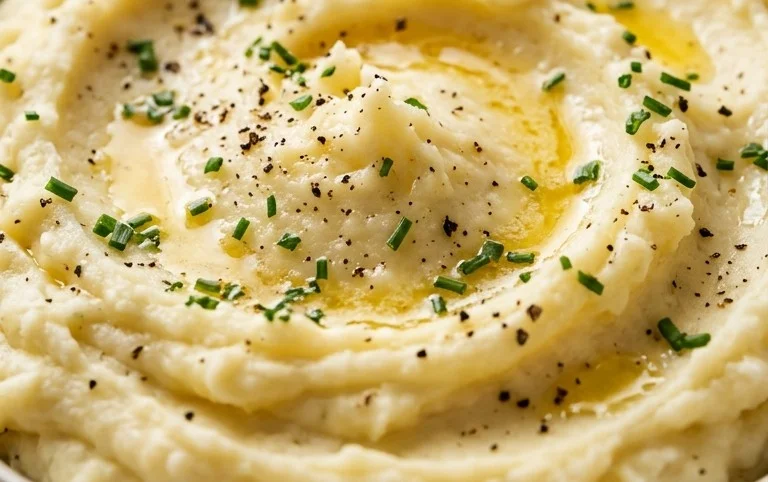
Once the potatoes are mashed to your liking and all the butter, cream, and sour cream are incorporated, it’s time for the final seasoning. Taste your mashed potatoes. Seriously, take a good spoonful. Does it need more salt? Most likely, it will. Add more salt a pinch at a time, stirring well and tasting after each addition, until the flavor pops. The salt brings out all the other flavors. You can also add a crack of black pepper at this stage if you like. If you find your mashed potatoes are a little too thick, you can stir in a tablespoon or two more of warm cream or milk until they reach your desired consistency. Serve these creamy, flavorful mashed potatoes immediately, or keep them warm. For serving, a little extra pat of butter on top is always a welcome sight, and a sprinkle of fresh chives or parsley adds a nice touch of color and freshness. These are truly the best mashed potatoes for any meal.
Conclusion:
This recipe delivers truly comforting and delicious mashed potatoes, a perfect addition to any meal. The combination of starchy potatoes, slow-cooked garlic, rich butter, cream, and sour cream creates a wonderfully smooth and flavorful side dish that’s hard to beat. Don’t be afraid of the garlic; cooking it slowly in the butter mellows its bite into a sweet, savory depth that complements the potatoes beautifully. Whether you’re serving these mashed potatoes for a holiday feast or a simple weeknight dinner, they are sure to impress. Remember to taste and adjust the salt at the end – it makes all the difference.
Serving Suggestions:
These mashed potatoes are a versatile side. They pair exceptionally well with roasted chicken, steak, beef chops, or even a hearty stew. They also make an excellent base for shepherd’s pie or a topping for pot pies.
Variations:
Feel free to add some grated cheddar cheese in the last step for cheesy mashed potatoes, or stir in some chopped fresh chives or parsley for a bit of color and fresh flavor. Roasted garlic instead of smashed garlic is also a wonderful option for an even deeper flavor.
Frequently Asked Questions:
Can I make these ahead of time?
Yes, you can make them ahead. Prepare them up to the point where you add the cream and sour cream. Let them cool, then refrigerate. To reheat, gently warm them on the stovetop over low heat, stirring often, and adding a splash more cream or milk if needed to reach your desired consistency. Be careful not to overcook them when reheating.
Why are my mashed potatoes watery?
Watery mashed potatoes usually happen from over-boiling the potatoes, which absorbs too much water, or from adding too much liquid when mashing. Make sure your potatoes are cooked just until tender, not mushy, and drain them very well before mashing. Also, ensure you are using warm liquids when incorporating them into the potatoes.
Can I use milk instead of heavy cream?
You can substitute milk for the heavy cream, but your mashed potatoes won’t be as rich or creamy. If you use milk, consider using whole milk for better flavor and texture. You might need to adjust the amount slightly to get the consistency you want, as milk is thinner than cream.
BEST Mashed Potatoes Recipe
Incredibly creamy and flavorful mashed potatoes, perfect as a comforting side dish.
Ingredients
-
3 pounds russet or yukon gold potatoes, peeled and cut into large cubes
-
1 stick + 2 tablespoons unsalted butter, divided
-
7 cloves garlic, cloves individually smashed with the back of a knife
-
3/4 cup warm heavy cream
-
3/4 cup sour cream
-
1 teaspoon salt, plus more to taste
Instructions
-
Step 1
Place the cubed potatoes in a large pot and cover with cold water by about an inch. Add a generous pinch of salt. -
Step 2
Bring the water to a boil over high heat, then reduce the heat to medium-high and simmer for 15-20 minutes, or until the potatoes are fork-tender. -
Step 3
While the potatoes are boiling, melt 1 stick of butter in a small saucepan over low heat. Add the smashed garlic cloves and let them infuse the butter for about 10 minutes. Do not let the garlic brown. -
Step 4
Drain the potatoes well. Return the potatoes to the hot, empty pot and let them steam for about 1 minute to dry out. -
Step 5
Add the remaining 2 tablespoons of butter, the warm heavy cream, sour cream, and the garlic-infused butter (straining out the garlic cloves) to the pot with the potatoes. Add 1 teaspoon of salt. -
Step 6
Mash the potatoes using a potato masher or a sturdy whisk until they reach your desired consistency. Be careful not to over-mash, as this can make them gummy. -
Step 7
Taste and add more salt if needed. Serve hot.
Important Information
Nutrition Facts (Per Serving)
It is important to consider this information as approximate and not to use it as definitive health advice.
Allergy Information
Please check ingredients for potential allergens and consult a health professional if in doubt.