Texas Roadhouse Seasoned Rice Copycat Recipe
Texas Roadhouse Seasoned Rice is that side dish that just makes the whole meal sing. It’s got a deep, savory flavor that’s miles away from plain white rice. It’s the kind of rice that makes you reach for more. And the best part? You can make it at home for a fraction of the restaurant price, and it’s surprisingly simple. We’re talking about transforming basic long-grain rice into something truly special with a few pantry staples and a little bit of cooking magic. This recipe focuses on getting that signature umami-rich taste that stands up to any steak or grilled chicken you serve it with.
Ingredients:
- 2 tablespoons Butter (Substitution: Use olive oil for a lighter option.)
- 1 cup Long-grain Rice (Note: Long-grain rice works best for texture.)
- 2 cups Chicken Broth (Substitution: Vegetable broth for a vegetarian option.)
- 1 diced Onion (Substitution: Shallots can be used for a milder taste.)
- 2 tablespoons Soy Sauce (Note: Use low-sodium soy sauce to reduce salt content.)
- 1 teaspoon Paprika (Substitution: Smoked paprika can add a different dimension.)
- 1 teaspoon Onion Powder (Note: Fresh onion can substitute if desired.)
- 1 teaspoon Garlic Powder (Substitution: Fresh minced garlic can provide a more intense flavor.)
- a pinch Cayenne Pepper (Note: Adjust the amount based on heat preference.)
- 1 tablespoon Parsley (Substitution: Fresh herbs like cilantro can be used for a different flavor profile.)
- Salt and Pepper (Adjust based on taste.)
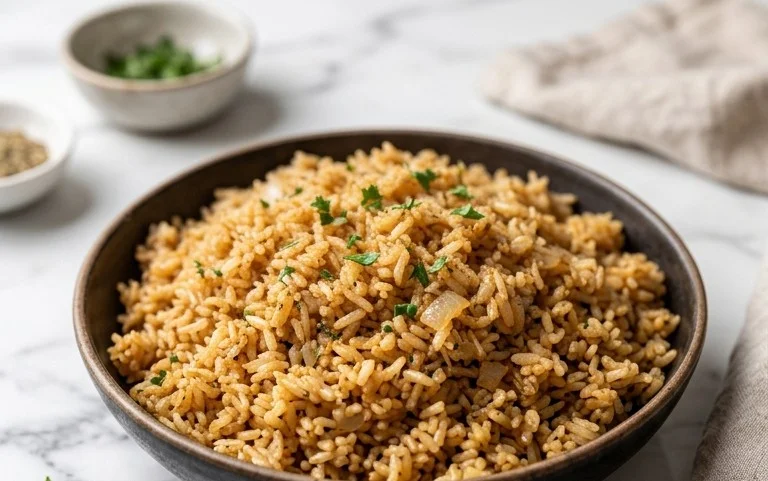
Texas Roadhouse Seasoned Rice: Bold Flavor on a Budget
Texas Roadhouse Seasoned Rice is that side dish that just makes the whole meal sing. It’s got a deep, savory flavor that’s miles away from plain white rice. It’s the kind of rice that makes you reach for more. And the best part? You can make it at home for a fraction of the restaurant price, and it’s surprisingly simple. We’re talking about transforming basic long-grain rice into something truly special with a few pantry staples and a little bit of cooking magic. This recipe focuses on getting that signature umami-rich taste that stands up to any steak or grilled chicken you serve it with.
Ingredients:
- 2 tablespoons Butter (Substitution: Use olive oil for a lighter option.)
- 1 cup Long-grain Rice (Note: Long-grain rice works best for texture.)
- 2 cups Chicken Broth (Substitution: Vegetable broth for a vegetarian option.)
- 1 diced Onion (Substitution: Shallots can be used for a milder taste.)
- 2 tablespoons Soy Sauce (Note: Use low-sodium soy sauce to reduce salt content.)
- 1 teaspoon Paprika (Substitution: Smoked paprika can add a different dimension.)
- 1 teaspoon Onion Powder (Note: Fresh onion can substitute if desired.)
- 1 teaspoon Garlic Powder (Substitution: Fresh minced garlic can provide a more intense flavor.)
- a pinch Cayenne Pepper (Note: Adjust the amount based on heat preference.)
- 1 tablespoon Parsley (Substitution: Fresh herbs like cilantro can be used for a different flavor profile.)
- Salt and Pepper (Adjust based on broth’s saltiness.)
Cooking Instructions
This recipe starts with building a flavor base before we even get to the rice. The key to that restaurant-quality taste is sautéing the aromatics and blooming the spices. You want to toast them just enough to release their full aroma and flavor without burning them. This step is where the magic really begins, turning simple ingredients into something complex and satisfying.
- Sauté the Aromatics: Start by melting your butter (or heating your olive oil) in a medium saucepan over medium heat. Add the diced onion. Cook, stirring occasionally, until the onion is softened and translucent, which should take about 5-7 minutes. You don’t want it to brown aggressively, just soften up nicely. This mellows out the onion’s sharpness and makes it sweet. If you’re using fresh garlic instead of powder, you’d add it here as well, stirring for just about 30 seconds until fragrant.
- Toast the Spices: Once the onion is softened, it’s time to add the dry spices. Stir in the paprika, onion powder, garlic powder, and cayenne pepper. Cook for another minute, stirring constantly. This step is crucial for releasing the full flavor of the spices. They become more aromatic and their flavors deepen when heated. Be careful not to burn them; a minute is usually enough. You’ll notice a wonderful aroma filling your kitchen at this point. This is the foundation of that signature Texas Roadhouse flavor.
- Add Rice and Liquid: Now, add the uncooked long-grain rice to the saucepan. Stir it around with the onions and spices for about a minute, coating each grain. This toasting of the rice helps it cook up fluffier and prevents it from becoming mushy. Pour in the chicken broth (or vegetable broth) and the soy sauce. Stir everything together well, scraping up any bits from the bottom of the pan. Give it a taste at this stage, and add a pinch of salt and pepper if needed, keeping in mind that the soy sauce already contains salt. Remember to adjust based on how salty your broth is.
- Simmer and Cook: Bring the mixture to a boil over medium-high heat. Once it’s boiling, reduce the heat to low, cover the saucepan tightly with a lid, and let it simmer for about 15-20 minutes. It’s important not to lift the lid during this time, as you want to trap all the steam, which helps the rice cook evenly and absorb all the flavorful liquid. The exact cooking time can vary slightly depending on your stove and the type of rice, so keep an eye on it towards the end. You’re looking for the liquid to be absorbed and the rice to be tender.
- Rest and Fluff: Once the cooking time is up and the liquid has been absorbed, remove the saucepan from the heat. Let it sit, still covered, for another 5-10 minutes. This resting period is really important. It allows the rice to finish steaming and settle, resulting in a much better texture. After resting, remove the lid and gently fluff the rice with a fork. Stir in the fresh parsley just before serving to add a bright, fresh finish. The parsley adds a beautiful pop of color and a fresh herbal note that balances the rich savory flavors.
This seasoned rice is incredibly versatile. It’s fantastic alongside grilled meats, roasted chicken, or even as a base for a stir-fry. If you’re looking to add even more depth, consider adding a bit of minced fresh ginger along with the onion for a subtle zing. For a vegetarian version, ensure you use vegetable broth and consider adding some sautéed mushrooms in step 1 for extra umami. Leftovers store well in an airtight container in the refrigerator for up to 3 days. Reheat gently on the stovetop with a splash of broth or water, or in the microwave.
Conclusion:
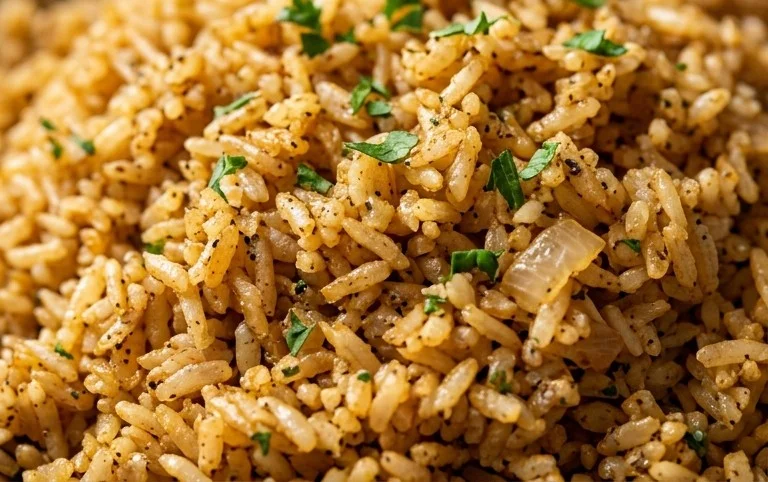
Making Texas Roadhouse Seasoned Rice at home is a fantastic way to bring that restaurant-quality flavor to your dinner table without the high cost. It’s a simple, satisfying side that truly complements hearty main courses like steaks, grilled chicken, or even beef chops. The combination of savory broth, umami-rich soy sauce, and aromatic spices creates a depth of flavor that’s hard to beat. Don’t be afraid to tweak the seasonings to your liking—a little more cayenne for heat, or perhaps a different herb for a twist. This seasoned rice is a testament to how humble ingredients can transform into something extraordinary with just a bit of care. We’ve found it’s a crowd-pleaser every time.
Serving Suggestions:
Serve this seasoned rice hot alongside your favorite grilled meats, barbecue ribs, or even as a base for a flavorful stir-fry. It also works wonderfully with simple baked chicken or pan-seared fish.
Variations:
For an added layer of flavor, try sautéing the diced onion and garlic in the butter until softened before adding the rice and broth. A splash of Worcestershire sauce can also boost the umami. If you want a bit of texture, stir in some toasted slivered almonds or chopped pecans just before serving.
FAQs:
Can I make this vegetarian?
Absolutely. Simply swap the chicken broth for vegetable broth. Ensure your soy sauce is also vegetarian-friendly.
How do I store leftovers?
Leftover seasoned rice can be stored in an airtight container in the refrigerator for up to 3-4 days. Reheat gently on the stovetop with a splash of water or broth, or in the microwave.
What kind of rice is best?
Long-grain white rice, like Basmati or Jasmine, works best. These varieties hold their shape well and absorb the flavors beautifully, giving you that classic texture.
Texas Roadhouse Seasoned Rice: Bold Flavor on a Budget
A simple and flavorful seasoned rice recipe inspired by Texas Roadhouse, perfect for a budget-friendly meal.
Ingredients
-
2 tablespoons Butter
-
1 cup Long-grain Rice
-
2 cups Chicken Broth
-
1 diced Onion
-
2 tablespoons Soy Sauce
-
1 teaspoon Paprika
-
1 teaspoon Onion Powder
-
1 teaspoon Garlic Powder
-
a pinch Cayenne Pepper
-
1 tablespoon Parsley
-
Salt and Pepper
Instructions
-
Step 1
Melt butter in a saucepan over medium heat. -
Step 2
Add diced onion and cook until softened, about 5 minutes. -
Step 3
Stir in the long-grain rice, paprika, onion powder, garlic powder, and cayenne pepper. Cook for 1-2 minutes until fragrant. -
Step 4
Pour in the chicken broth and soy sauce. Bring to a boil. -
Step 5
Reduce heat to low, cover, and simmer for 15-20 minutes, or until the liquid is absorbed and the rice is tender. -
Step 6
Fluff the rice with a fork and stir in fresh parsley. Season with salt and pepper to taste.
Important Information
Nutrition Facts (Per Serving)
It is important to consider this information as approximate and not to use it as definitive health advice.
Allergy Information
Please check ingredients for potential allergens and consult a health professional if in doubt.