

Begin extractners Sourdough bread recipe: High starter method
Have you ever dreamt of pulling a crusty, golden-brown loaf of sourdough bread from your own oven, the aroma filling your kitchen and promising pure, delicious satisfaction? For many, the allure of homemade sourdough is undeniable, yet the perceived complexity often acts as a barrier. That’s precisely why we’re diving deep igin extract a beginners sourdough bread recipe: high starter method, designed to demystify the process and empower you with the confidence to bake your first truly amazing loaf. This isn’t just about bread; it’s about a rewarding culinary journey, a connection to ancient baking traditions, and the unparalleled joy of creating something so incredibly delicious from just flour, water, salt, and your own active starter. What makes thgin extractparticular beginners sourdough bread recipe: high starter method so special is its focus on a robust, active starter, which is the heart and soul of any great sourdough, ensuring better rise, a more developed flavor, and a beautifully open crum extractb even for those new to the art.
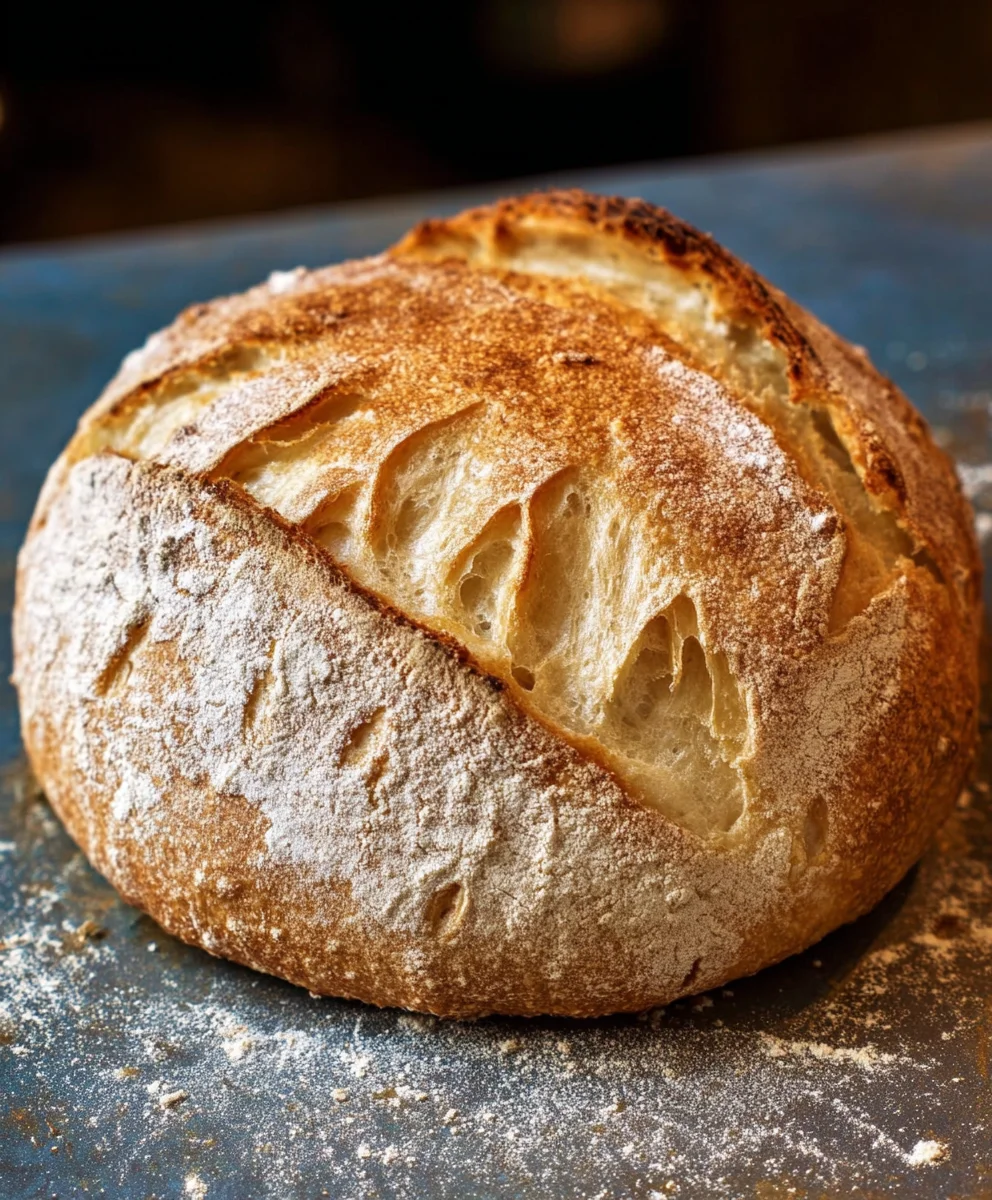
Ingredients:
- 2 cups Active Sourdough Starter (400 grams) – Make sure your starter is active and bubbly. This means it should have been fed within the last 4-12 hours and should have doubled in size and be full of tiny bubbles. A mature, vigorous starter is key to a good rise.
- 3 cups Sifted All-Purpose Flour (360 grams) – Sifting the flour helps to aerate it and remove any lumps, which can lead to a more evenly hydrated dough. This is especially important for sourdough, where hydration is crucial.
- 1 cup Warm Water (240 grams) – The water should be lukewarm, not hot. Think around 80-90°F (27-32°C). Too hot and you risk killing the wild yeast in your starter; too cold and it won’t activate the yeast as effectively.
- 1.5 teaspoons Salt (≈9 grams) – Salt is essential for flavor and also plays a role in strengthening the gluten structure of the dough, which contributes to a better crum extractb and crust.
Mixing and Developing the Dough
Autolyse (Optional but Recommended)
To begin extract this high-starter sourdough bread recipe, I like to start with an autolyse. This is a resting period where just the flour and water are mixed. It allows the flour to fully hydrate and gluten developmegin extractto begin without the interference of salt or starter. This can make the dough much easier to handle later on. In a large mixing bowl, combine the 3 cups of sifted all-purpose flour and the 1 cup of warm water. Mix with your hands or a spatula until just combined and there are no dry bits of flour visible. It will look shaggy and unappealing at this stage – that’s perfectly normal. Cover the bowl with a damp kitchen towel or plastic wrap and let it rest for at least 30 minutes, or up to an hour. This step is incredibly beneficial for developing extensibility in the dough.
Incorporating the Starter and Salt
After the autolyse, it’s time to add the star of the show: your active sourdough starter! Add the 2 cups of active sourdough starter to the rested flour and water mixture. Now, add the 1.5 teaspoons of salt. You want to incorporate these ingredients thoroughly. The best way to do this is by hand. Using wet hands (this prevents sticking) or a dough whisk, gently mix and squeeze the dough until the starter and salt are fully integrated. It will feel a bit sticky and messy, but keep working it. You can perform what’s called a “stretch and fold” motion within the bowl to start building some tension. Continue mixing for about 5-7 minutes until the dough starts to feel a little smoother and more cohesive. Don’t worry if it’s still quite sticky; that’s a characteristic of high-hydration sourdough.
Bulk Fermentation and Shaping
Bulk Fermentation with Folds
Now, we move into the bulk fermentation phase, which is where the dough develops flavor and strength. Transfer the dough to a clean, lightly oiled bowl or a clear container so you can easily monitor its progress. Cover the bowl. Over the next 3-4 hours (this time can vary greatly depending on your room temperature – warmer environments will speed up fermentation), you will perform a series of “stretch and folds.” Every 30-45 minutes, wet your hands slightly and reach under one side of the dough, gently stretching it upwards and then folding it over onto itself. Rotate the bowl a quarter turn and repeat this process for all four sides. This technique helps to build gluten structure and incorporates air into the dough. You’ll notice the dough becoming smoother, more elastic, and it will start to increase in volume. Aim for the dough to increase by about 30-50% in volume and to feel light and airy.
Pre-Shaping and Bench Rest
Once the bulk fermentation is complete, gently turn the dough out onto a lightly floured surface. It’s important to be gentle to avoid degassing the dough too much. If you’re using a container, you can simply tip it out. Perform a pre-shape by gently gathering the edges of the dough towards the center, creating a loose round. Let the dough rest, uncovered, on the counter for about 20-30 minutes. This “bench rest” allows the gluten to relax, making the final shaping much easier and preventing tears.
Final Shaping and Cold Proofing
After the bench rest, it’s time for the final shaping. Decide if you want to make a boule (round loaf) or a batard (oval loaf). For a boule, gently flatten the dough into a rough circle. Then, using your hands, pull the edges of the dough up and over to the center, creating tension on the surface. Flip the dough over so the seams are underneath and gently cup your hands around the dough, rotating it to create a taut surface. For a batard, you’ll fold one third of the dough over, then the other third, and then roll it up tightly. Place the shaped dough seam-side up into a well-floured banneton or a bowl lined with a floured tea towel. Cover the banneton with plastic wrap or a reusable bag and place it in the refrigerator for a cold proof. This cold proof typically lasts between 12 to 24 hours. The cold temperature slows down fermentation and develops even more complex flavors, while also making the dough easier to score.
Baking the Sourdough Bread
Preheating the Oven and Baking Vessel
Before you’re ready to bake, preheat your oven to 450°F (230°C) with your Dutch oven or baking vessel inside for at least 30 minutes. A well-preheated Dutch oven is crucial for achieving that beautiful, oven-spring (the initial rapid rise of the bread in the oven) and a perfectly crisp crust.
Scoring and Baking
Once the oven and Dutch oven are thoroughly preheated, carefully remove the Dutch oven from the oven. Gently invert the dough from the banneton onto a piece of parchment paper. Using a sharp razor blade or a lame, score the top of the dough with a pattern of your choice. A deep, decisive score allows the bread to expand beautifully. Carefully lift the parchment paper with the dough and lower it into the hot Dutch oven. Place the lid back on the Dutch oven and carefully transfer it back into the preheated oven. Bake for 20 minutes with the lid on. After 20 minutes, carefully remove the lid from the Dutch oven. The bread should have significantly risen and be starting to take on color. Reduce the oven temperature to 425°F (220°C) and continue baking for another 20-30 minutes, or until the crust is a deep golden brown and the internal temperature of the bread reaches around 205-210°F (96-99°C) when checked with an instant-read thermometer.
Cooling the Bread
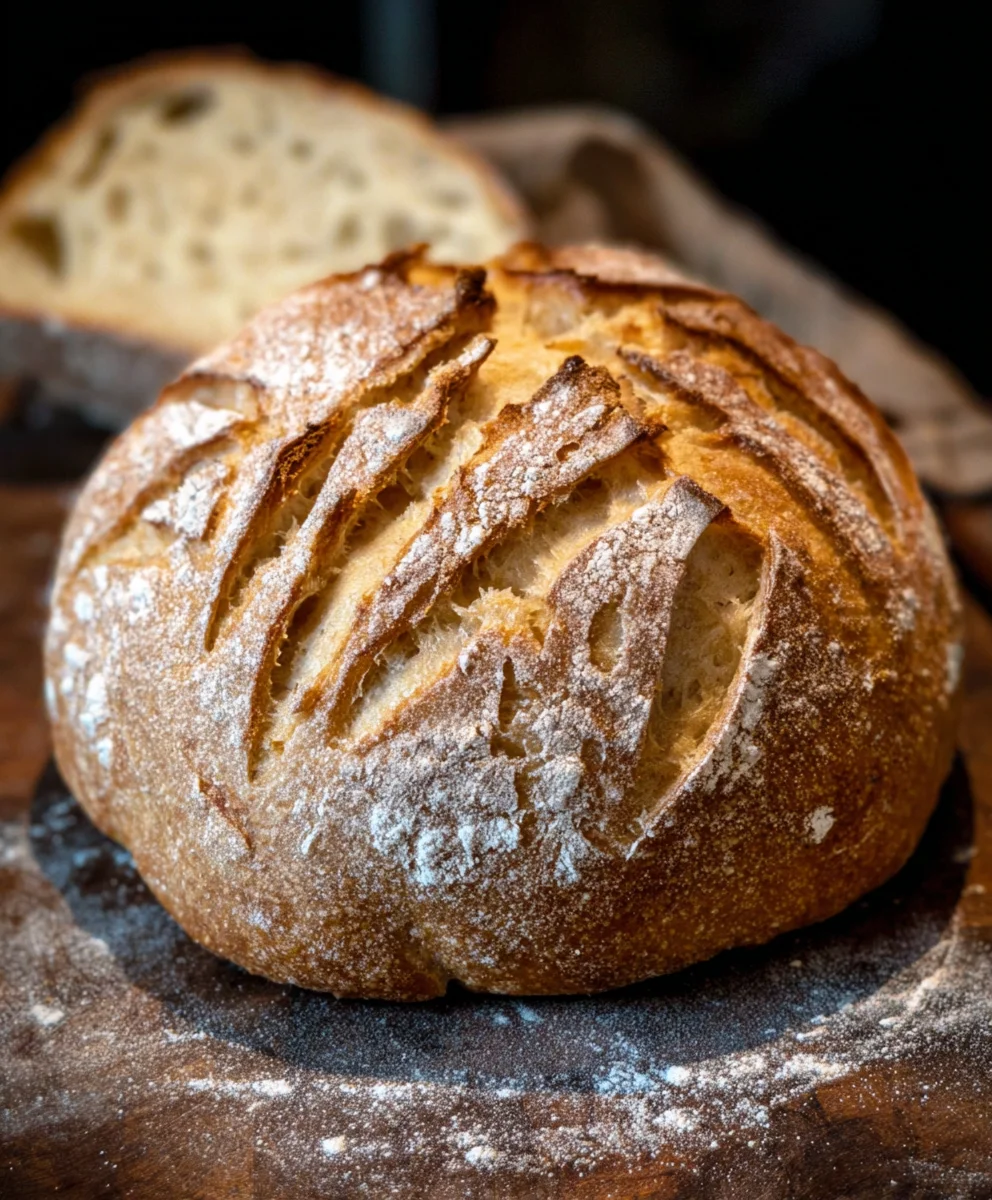
Once baked, carefully remove the bread from the Dutch oven and place it on a wire rack to cool completely. This is arguably one of the hardest steps for any baker, but it’s absolutely essential. Allowing the bread to cool completely lets the internal structure set and prevents a gummy texture. Resist the urge to slice into it too early; it’s worth the wait!
Conclusion:
You’ve now got all the knowledge you need to bake a beautiful and delicious loaf of Begin extractners Sourdough bread recipe: High starter method! This method, with its emphasis on a vigorous starter, makes achieving that perfect open crum extractb and tangy flavor more accessible than you might think. Don’t be discouraged if your first loaf isn’t absolutely perfect – sourdough baking is a journey, and each bake offers new learning opportunities. The satisfaction of pulling a homemade sourdough loaf out of your oven is truly unmatched. Experiment with different flours, hydration levels, and baking times as you grow more confident. Enjoy this wonderful bread on its own, toasted with butter, or as the base for your favorite sandwiches!
Frequently Asked Questions:
Q: My dough is very sticky, is that normal fogin extracthe Beginners Sourdough bread recipe: High starter method?
A: Yes, a high starter ratio often results in a wetter dough. Proper kneading and sufficient gluten development are key. If it’s unmanageably sticky, you can use slightly more flour during your initial folds, but aim to keep it as hydrated as the recipe suggests to achieve that desirablrum extractpen crumb.
Q: How can I ensure a good “ear” on my gin extractf with the Beginners Sourdough bread recipe: High starter method?
A: A well-developed dough with adequate gluten strength is crucial. Additionally, a sharp scoring blade and a quick, decisive slash just before baking will help create that pronounced “ear.” Ensure your oven and Dutch oven are fully preheated for optimal oven spring.
Easy Sourdough Bread High Starter Method
A straightforward recipe for delicious sourdough bread using a high starter ratio for improved flavor and rise.
Ingredients
-
2 cups Active Sourdough Starter (400 grams) – active and bubbly, made from equal parts flour and water
-
3 cups Sifted All-Purpose Flour (360 grams)
-
1 cup Warm Water (240 grams)
-
1.5 teaspoons Salt (≈9 grams)
-
1 tablespoon Olive Oil (for greasing bowl)
Instructions
-
Step 1
Autolyse: Combine sifted flour and warm water in a large bowl until just combined. Cover and let rest for 30-60 minutes. -
Step 2
Incorporate Starter and Salt: Add active sourdough starter and salt to the autolysed dough. Mix thoroughly by hand for 5-7 minutes until the dough starts to become smoother and more cohesive. -
Step 3
Bulk Fermentation: Transfer dough to a lightly oiled bowl. Perform stretch and folds every 30-45 minutes for 3-4 hours, until the dough increases in volume by 30-50% and feels light and airy. -
Step 4
Shaping: Gently turn dough onto a floured surface. Pre-shape into a loose round and let rest for 20-30 minutes. Then, perform final shaping into a boule or batard and place seam-side up in a floured banneton. -
Step 5
Cold Proof: Cover the banneton and refrigerate for 12-24 hours for flavor development and easier scoring. -
Step 6
Baking: Preheat oven with a Dutch oven to 450°F (230°C). Carefully invert dough onto parchment paper, score the top, and place into the hot Dutch oven. Bake covered for 20 minutes, then reduce oven temperature to 425°F (220°C) and bake uncovered for another 20-30 minutes until deep golden brown. -
Step 7
Cooling: Remove bread from Dutch oven and place on a wire rack to cool completely (at least 2 hours) before slicing.
Important Information
Nutrition Facts (Per Serving)
It is important to consider this information as approximate and not to use it as definitive health advice.
Allergy Information
Please check ingredients for potential allergens and consult a health professional if in doubt.



Leave a Comment