
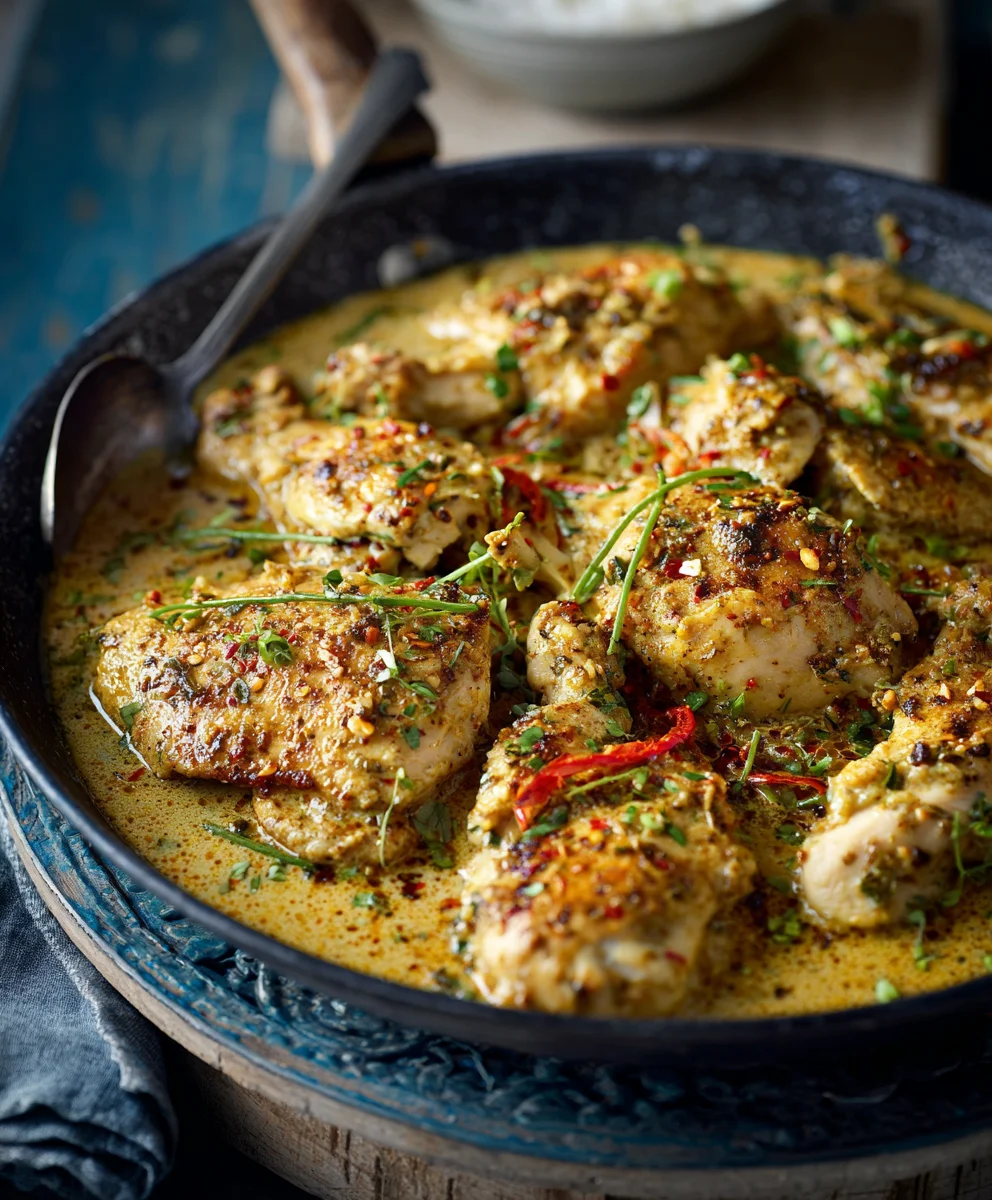
Mary Berry Dijon Chicken Recipe is more than just a meal; it’s a testament to the power of simple, high-quality ingredients transformed into something truly extraordinary. Imagine a dish that effortlessly combines elegance with incredible flavor, making it perfect for both a cozy weeknight dinner and a sophisticated gathering. I’m thrilled to guide you through a classic that exemplifies everything we adore about Mary Berry’s culinary genius: her ability to create comforting, fail-proof recipes that consistently delight.
For decades, Mary Berry has been a beloved figure in kitchens worldwide, renowned for her approachable yet refined cooking. This particular chicken dish perfectly encapsulates her philosophy. The vibrant tang of Dijon mustard, coupled with succulent, tender chicken, creates a symphony of flavors that is both comforting and surprisingly sophisticated. It’s a beautifully balanced meal that truly highlights why this Mary Berry Dijon Chicken Recipe has earned its place as a firm favourite among home cooks. Its ease of preparation, combined with its undeniably delicious outcome, makes it an irresistible choice whenever you crave something special without the fuss. Get ready to discover your new go-to chicken sensation!
Ingredients:
- 4 large (about 6-7 oz each, 170-200g) boneless, skinless chicken breasts
- 1 tablespoon olive oil, plus extra if needed
- 1 tablespoon unsalted butter
- 1 large onion, finely diced
- 2 cloves garlic, minced
- 8 oz (225g) chestnut or cremini mushrooms, sliced
- 2 medium leeks, white and light green parts only, thoroughly cleaned and thinly sliced
- 1/2 cup (120ml) dry white wine (such as Sauvignon Blanc or Pinot Grigio), optional, but highly recommended for depth of flavor
- 1 3/4 cups (420ml) good quality chicken stock
- 3 tablespoons Dijon mustard (I love a good grainy Dijon for texture, but smooth works beautifully too!)
- 1/2 cup (120ml) double cream (heavy cream in the US)
- 1 tablespoon fresh thyme leaves, roughly chopped, plus extra for garnish
- 2 tablespoons fresh parsley, finely chopped, for garnish
- Salt and freshly ground black pepper to taste
Preparation is Key
- Let’s start with the chicken. Take your four lovely boneless, skinless chicken breasts and place them on a clean cutting board. Using a sharp knife, you might want to trim any visible fat or sinew. Now, and this is a really crucial step for getting that beautiful golden-brown sear, pat each chicken breast thoroughly dry with paper towels. Moisture is the enemy of a good sear! A dry surface will ensure a lovely crust forms, locking in all those delicious juices. Season generously on both sides with salt and freshly ground black pepper. Don’t be shy with the seasoning; it forms the foundational flavor.
- Next, we’ll get our vegetables ready. First, the onion: peel it and finely dice it. A consistent dice will ensure it cooks evenly. For the garlic, peel the cloves and mince them very finely. You want the garlic to infuse the dish, not to be chunky.
- Moving onto the mushrooms, whether you’ve chosen chestnut or cremini, give them a quick wipe with a damp cloth – avoid washing them under water as they act like sponges. Slice them into roughly 1/4-inch thick pieces. If you have some particularly large mushrooms, you might want to quarter them before slicing.
- Now, for the leeks. These require a bit more attention to cleaning. Start by trimming off the very dark green tops and the root end. Slice the white and light green parts in half lengthwise, then rinse them thoroughly under cold running water, fanning out the layers to ensure no grit or soil remains. Leeks can hide a surprising amount of dirt, so be diligent! Once clean, slice them into thin half-moons, about 1/4-inch thick.
- Measure out your liquids: the white wine (if you’re using it), chicken stock, and double cream. Have your Dijon mustard ready, along with your chopped fresh thyme and parsley. Having everything prepped and within easy reach, what chefs call “mise en place,” makes the cooking process so much smoother and more enjoyable. It means you can focus on the cooking itself, rather than hunting for ingredients mid-step.
Searing the Chicken for Golden Perfection
- Place a large, heavy-bottomed skillet or a shallow Dutch oven over medium-high heat. Add 1 tablespoon of olive oil. Allow the oil to get hot enough that it shimmers slightly but isn’t smoking. This high heat is essential for a good sear.
- Carefully place the seasoned chicken breasts into the hot pan. Be mindful not to overcrowd the pan; you might need to do this in two batches, depending on the size of your skillet. Overcrowding will lower the pan’s temperature and cause the chicken to steam instead of sear, preventing that lovely golden crust from forming.
- Sear the chicken for about 4-5 minutes per side, until it’s beautifully golden brown and has a nice crust. The goal here isn’t to cook the chicken all the way through, but to build a fantastic flavor foundation and texture. We’ll finish cooking it in the sauce later.
- Once seared, remove the chicken breasts from the pan and transfer them to a plate. Set them aside for now; they’ll be reintroduced to our delicious sauce shortly. Don’t worry about any bits stuck to the bottom of the pan; those are precious “fond” bits that will add incredible flavor to our sauce.
Building Layers of Flavor: Vegetables and Aromatics
- Reduce the heat to medium. If your pan looks a little dry after searing the chicken, add the tablespoon of unsalted butter and another splash of olive oil. Let the butter melt and swirl to coat the pan.
- Add your finely diced onion to the pan. Sauté for about 5-7 minutes, stirring occasionally, until the onion has softened and turned translucent. You want them tender and sweet, not browned.
- Next, add the thinly sliced leeks to the pan. Continue to cook for another 5-8 minutes, stirring regularly, until the leeks have softened considerably. They should become tender and slightly wilted, releasing their sweet, oniony aroma.
- Now, introduce the sliced mushrooms. Turn the heat back up slightly to medium-high. Cook the mushrooms for about 7-10 minutes, without stirring too frequently initially. Let them release their moisture and then allow it to evaporate, which helps them to brown beautifully. Once the moisture has gone and they’ve taken on a lovely golden hue, they’re ready. This process concentrates their earthy flavor, which is a fantastic complement to the Mary Berry Dijon Chicken Recipe.
- Stir in the minced garlic. Cook for just 1 minute more, stirring constantly, until the garlic becomes fragrant. Be careful not to burn the garlic, as burnt garlic can taste bitter and ruin the delicate balance of flavors we’re building.
- If you’re using white wine, now is the time to add it. Pour in the 1/2 cup of dry white wine. Scrape the bottom of the pan vigorously with a wooden spoon or spatula to loosen all those flavorful browned bits (the “fond”) that developed during the chicken searing and vegetable sautéing. This deglazing step adds incredible depth and complexity to the sauce. Let the wine simmer and reduce by about half, which should take 2-3 minutes. This burns off the alcohol, leaving behind only the wonderful flavor notes. If you’re omitting the wine, simply proceed to the next step.
Crafting the Creamy Dijon Sauce
- Pour in the 1 3/4 cups of chicken stock. Bring the mixture to a gentle simmer, allowing the flavors to meld together.
- Once simmering, whisk in the 3 tablespoons of Dijon mustard. Dijon mustard is the star here, providing that characteristic tangy, slightly spicy kick that defines a classic creamy Dijon chicken. I find that a good quality Dijon makes all the difference in this Mary Berry Dijon Chicken Recipe. The mustard will dissolve into the stock, thickening it ever so slightly and imparting its signature flavor.
- Reduce the heat to low. Stir in the 1/2 cup of double cream. Stir gently until the cream is fully incorporated into the sauce. Avoid boiling the sauce aggressively once the cream is added, as it can sometimes split. A gentle simmer is all you need.
- Taste the sauce at this point and season with additional salt and freshly ground black pepper as needed. Remember, the chicken will absorb some of this seasoning, so make sure the sauce itself is perfectly balanced.
Bringing it All Together: Simmering and Finishing
- Gently return the seared chicken breasts to the pan, nestling them into the creamy Dijon sauce. Make sure they are partially submerged in the sauce.
- Sprinkle the chopped fresh thyme leaves over the chicken and into the sauce. Thyme pairs beautifully with chicken and the rich, earthy flavors of the sauce.
- Cover the pan loosely with a lid or a piece of foil, leaving a small gap for steam to escape. Let the chicken simmer gently in the sauce for about 10-15 minutes, or until the chicken is cooked through. The exact cooking time will depend on the thickness of your chicken breasts. To check for doneness, you can insert a meat thermometer into the thickest part of a breast; it should read 165°F (74°C). Be careful not to overcook the chicken, as it can become dry and tough.
- Once the chicken is cooked, remove the pan from the heat. Let the dish rest for 5 minutes, allowing the chicken to reabsorb its juices and the sauce to thicken slightly. This resting period is just as important for chicken as it is for a roast.
Serving Suggestions and Enjoyment
- Before serving, give the sauce a final taste and adjust seasoning if necessary. You might find it needs another pinch of salt or a grind of pepper to truly sing.
- Garnish generously with the freshly chopped parsley. The vibrant green not only adds a lovely splash of color but also a fresh, herbaceous lift to the rich sauce.
- Serve your delightful Mary Berry Dijon Chicken Recipe immediately. It pairs wonderfully with a variety of accompaniments. My personal favorites include fluffy mashed potatoes, which are perfect for soaking up every last drop of that creamy, tangy sauce. Steamed green beans or tender-stem broccoli provide a lovely fresh crunch and color contrast. Alternatively, serve it alongside perfectly cooked rice, or with some crusty bread to mop up the sauce. A simple green salad with a light vinaigrette would also be a fantastic counterpoint to the richness of the dish.
Pro-Tips for Your Mary Berry Dijon Chicken Recipe Success
Achieving perfection with this creamy Dijon chicken is truly within reach with just a few pointers. Firstly, always start with thoroughly dry chicken breasts. This is paramount for achieving that desirable golden-brown sear, which locks in flavor and moisture. Don’t rush this step. Secondly, when searing, resist the urge to overcrowd your pan. If you have too many pieces of chicken, sear them in batches. Patience here means the difference between beautifully browned chicken and steamed, pale chicken. Thirdly, use a good quality Dijon mustard. Since it’s such a prominent flavor in this dish, a high-quality mustard will elevate the entire experience. Whether you prefer a smooth, classic Dijon or a grainy variety for added texture and a slightly milder spice, choose one you love. Lastly, pay attention to seasoning at every stage. Taste your sauce before adding the chicken back in, and again just before serving. Flavors develop and change, and a final adjustment can make all the difference to a perfectly balanced dish. And for the leeks, as mentioned in the prep, a thorough rinse is non-negotiable; gritty leeks can really detract from an otherwise wonderful meal.
Variations and Customizations
While this Mary Berry Dijon Chicken Recipe is absolutely delicious as written, there are many ways you can adapt it to suit your tastes or what you have on hand. For a richer, more robust flavor, consider using bone-in, skin-on chicken thighs instead of breasts. They take a little longer to cook but offer incredible depth and stay wonderfully moist. If you’re not a fan of mushrooms, you could easily omit them or substitute them with other vegetables that hold up well to simmering, such as cubed zucchini or tender asparagus spears added in the last few minutes of cooking. For an extra herbaceous note, a sprig of fresh tarragon or a bay leaf added to the sauce along with the stock would be a delightful addition, bringing a subtle anise-like aroma. If you enjoy a bit of heat, a pinch of red pepper flakes added with the garlic would give the sauce a lovely gentle warmth without overpowering the classic Dijon flavor. To make this dish a bit heartier, you could even add some cooked, diced potatoes or some spinach right at the end, stirring until the spinach wilts. For those who prefer a lighter sauce, you can reduce the amount of cream or even use a low-fat crème fraîche for a tangier finish. Experimenting with different types of stock—perhaps a homemade chicken stock—will also yield incredibly nuanced results. Remember, cooking should be an adventure!
Conclusion:
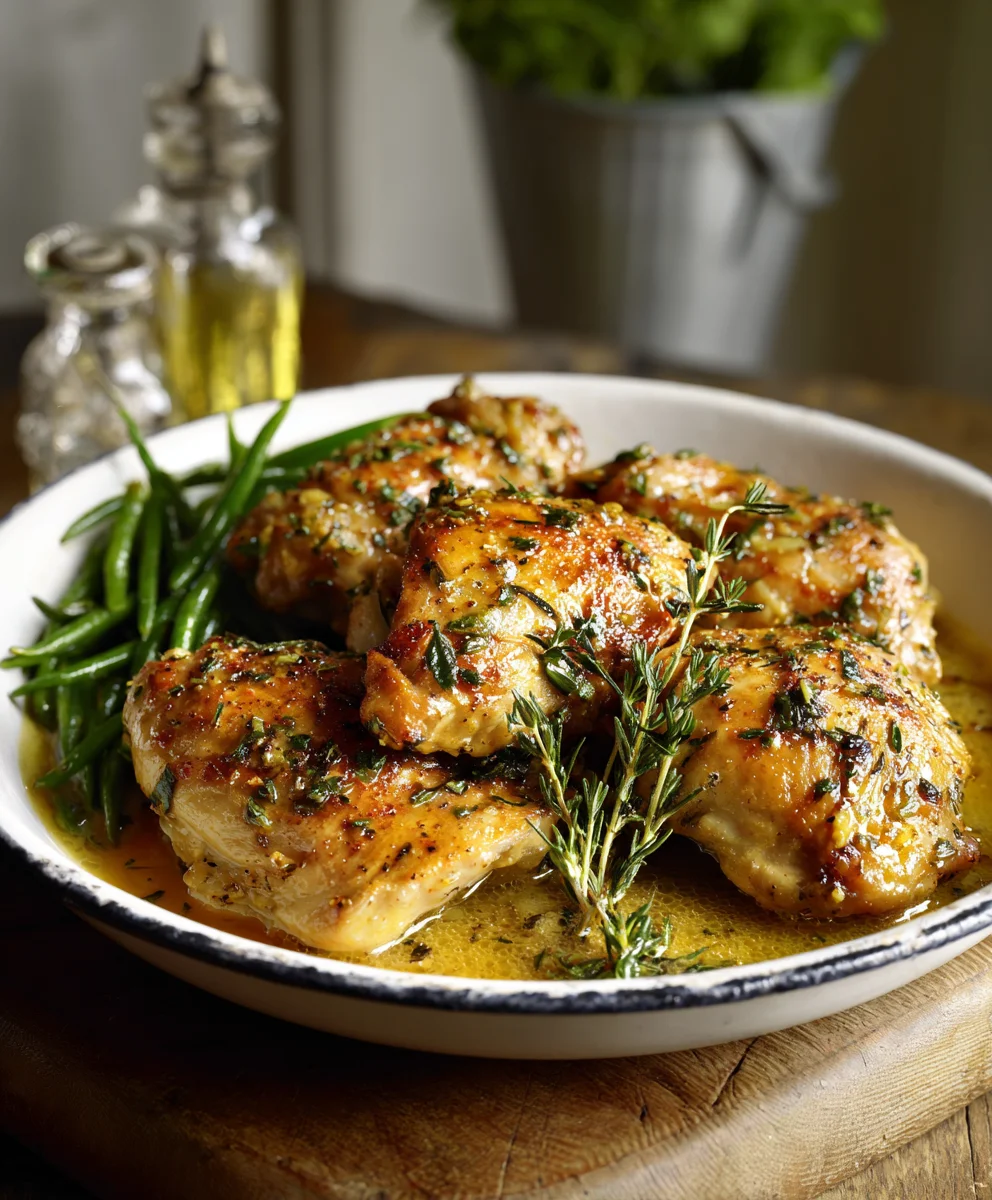
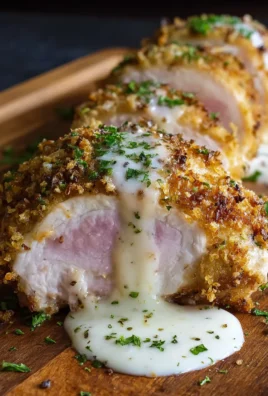
Well, my friends, we’ve journeyed through the delectable details of what I truly believe is one of the most satisfying and effortlessly elegant chicken dishes you’ll ever have the pleasure of preparing. If you’ve been searching for that elusive recipe that marries simplicity with sophistication, a dish that will impress your dinner guests without demanding hours of your precious time, then your quest truly ends here. This isn’t just another chicken recipe; it’s a revelation. It’s the kind of meal that instantly uplifts your spirits, turning an ordinary weeknight into a special occasion and making entertaining an absolute breeze. The chicken emerges from the oven gloriously golden, its skin perfectly crisp, while the meat within remains unbelievably tender and juicy. And that sauce? Oh, that sublime, creamy, tangy, and ever-so-slightly piquant sauce is what truly elevates this dish to legendary status. It coats every morsel with a luxurious flavor that is both comforting and incredibly refined. I promise you, once you taste it, you’ll understand why I’m so enthusiastic about it.
Elevate Your Dining Experience with Versatile Pairings
One of the many beauties of this magnificent dish is its incredible versatility when it comes to serving. For a truly classic and comforting meal, I wholeheartedly recommend pairing this beautiful chicken with a generous helping of creamy, buttery mashed potatoes. They are the perfect canvas for soaking up every last drop of that exquisite Dijon sauce, ensuring no speck of flavor is left behind. If you’re leaning towards something a little lighter, a delicate wild rice pilaf or even a fluffy couscous would complement the rich chicken wonderfully, offering a delightful textural contrast. Roasted asparagus, tender-crisp green beans almandine, or a vibrant medley of seasonal roasted vegetables like carrots and parsnips, would add freshness and a touch of earthiness, balancing the richness of the cream sauce beautifully.
For those who appreciate a good crunch and a refreshing counterpoint, a simple, crisp green salad dressed with a light vinaigrette is always a fantastic choice. And let’s not forget the power of good bread! A crusty baguette, warmed slightly, is ideal for tearing and dipping into that glorious sauce – trust me, you won’t want to waste a single drop. Think of the endless possibilities; you could even serve it alongside sweet potato mash for a delightful twist, or with a hearty grain like quinoa for a more health-conscious option. Each pairing offers a subtly different experience, allowing you to tailor the meal to your mood or occasion. This adaptability ensures that the meal can feel fresh and exciting every time you prepare it, regardless of how often it graces your table. It’s truly a testament to the recipe’s inherent flexibility and crowd-pleasing nature.
Unlock New Flavors: Creative Variations to Explore
But the journey doesn’t have to end with the original recipe; this dish is incredibly adaptable, inviting you to experiment and make it truly your own. Don’t hesitate to play with the mustard – a grainy Dijon will add a more rustic texture and deeper, sharper notes, while a touch of honey mustard could introduce a subtle sweetness that’s utterly delicious. For a gentle kick, a tiny pinch of cayenne pepper or a whisper of smoked paprika stirred into the sauce can add a delightful warmth without overwhelming the primary flavors. Fresh herbs are another fantastic avenue for exploration; a sprinkle of fresh tarragon or chives at the end will brighten the entire dish with their aromatic charm. If you’re feeling adventurous, consider swapping out some of the chicken stock for dry white wine, like a Sauvignon Blanc or Pinot Grigio, to add another layer of sophisticated flavor to the sauce, allowing it to reduce and deepen before adding the cream.
And why stop at chicken? While it shines with poultry, this sauce is remarkably versatile with other proteins. Imagine succulent pork tenderloin medallions, quickly seared and then simmered in the same glorious sauce, or even flaky salmon fillets, baked to perfection under a creamy Dijon blanket. For our vegetarian friends, don’t feel left out! Large, meaty portobello mushrooms or thick cauliflower steaks, roasted until tender and then bathed in this creamy concoction, would make for an equally compelling and satisfying main course. You could even incorporate spinach or kale into the sauce during the last few minutes of cooking for an added boost of greens and vibrant color, wilting beautifully into the rich sauce. The possibilities are truly endless, limited only by your imagination and what you have on hand in your pantry. Feel free to explore and customize; that’s the joy of cooking!
So, my dear readers, I implore you: clear your schedule, gather your ingredients, and prepare to embark on a culinary adventure that will undoubtedly earn you rave reviews. This Mary Berry Dijon Chicken Recipe is more than just food; it’s an experience, a moment of pure joy that comes from creating something so deeply satisfying. I am utterly convinced that once you’ve tried it, it will swiftly become a beloved staple in your cooking repertoire, a dish you return to again and again because of its consistent deliciousness and straightforward preparation. Don’t let this opportunity pass you by!
Share Your Culinary Triumphs!
I absolutely cannot wait to hear about your experiences in the kitchen. Did you stick to the classic? Did you venture into one of the suggested variations, or perhaps invent your own brilliant tweak that elevated the dish even further? Please, do share your stories, your photos, and your triumphs! There’s nothing I love more than seeing how you, my wonderful community, bring these recipes to life in your own unique ways. Your feedback not only brightens my day but also helps inspire countless other home cooks who are always on the lookout for their next favorite meal. So, get cooking, get creative, and most importantly, enjoy every single bite. Happy cooking, everyone!
Mary Berry Dijon Chicken Recipe: Easy & Delicious Dinner!
Discover Mary Berry’s classic Dijon Chicken recipe! This dish beautifully combines succulent chicken with a vibrant, creamy Dijon mustard sauce. Perfect for a cozy weeknight or elegant gathering, it’s a testament to simple, high-quality ingredients and fail-proof cooking. Get ready for your new go-to chicken sensation!
Ingredients
-
1 ounce unsalted butter
-
2 tablespoons olive oil
-
6 small boneless, skinless chicken breasts (150g each)
-
1 banana shallot, finely sliced
-
2 cloves garlic, crushed
-
300ml (10 fl oz) non-alcoholic white wine alternative (e.g., chicken stock)
-
2 tablespoons Dijon mustard
-
300ml (10 fl oz) double cream
-
Salt to taste
-
Freshly ground black pepper to taste
-
Few finely snipped chives, for garnish
Instructions
-
Step 1
Pat chicken breasts thoroughly dry with paper towels. Season generously on both sides with salt and freshly ground black pepper. -
Step 2
Heat 1 tablespoon olive oil in a large, heavy-bottomed skillet over medium-high heat until shimmering. Sear chicken breasts in batches (if necessary) for 4-5 minutes per side until beautifully golden brown and a crust has formed. Remove chicken from pan and set aside. -
Step 3
Reduce heat to medium. Add butter and remaining olive oil (if needed) to the pan. Add finely sliced shallots and sauté for 5-7 minutes until softened and translucent. Stir in crushed garlic and cook for 1 minute until fragrant, being careful not to burn it. -
Step 4
Pour in 300ml (10 fl oz) of non-alcoholic white wine alternative. Scrape the bottom of the pan vigorously with a wooden spoon to loosen all browned bits. Let the liquid simmer and reduce by about half (2-3 minutes). -
Step 5
Add 300ml (10 fl oz) of chicken stock to the pan and bring to a gentle simmer. Whisk in 2 tablespoons of Dijon mustard. Reduce heat to low, then stir in 300ml (10 fl oz) double cream until fully incorporated. Taste and season the sauce with additional salt and freshly ground black pepper as needed. -
Step 6
Gently return the seared chicken breasts to the pan, nestling them into the creamy Dijon sauce. Cover the pan loosely and simmer gently for 10-15 minutes, or until the chicken is cooked through (internal temperature reaches 165°F/74°C). Do not overcook. -
Step 7
Remove the pan from heat and let the dish rest for 5 minutes, allowing the chicken to reabsorb juices and the sauce to thicken slightly. Garnish generously with finely snipped chives before serving. Serve immediately with mashed potatoes, rice, or green vegetables.
Important Information
Nutrition Facts (Per Serving)
It is important to consider this information as approximate and not to use it as definitive health advice.
Allergy Information
Please check ingredients for potential allergens and consult a health professional if in doubt.
Leave a Comment