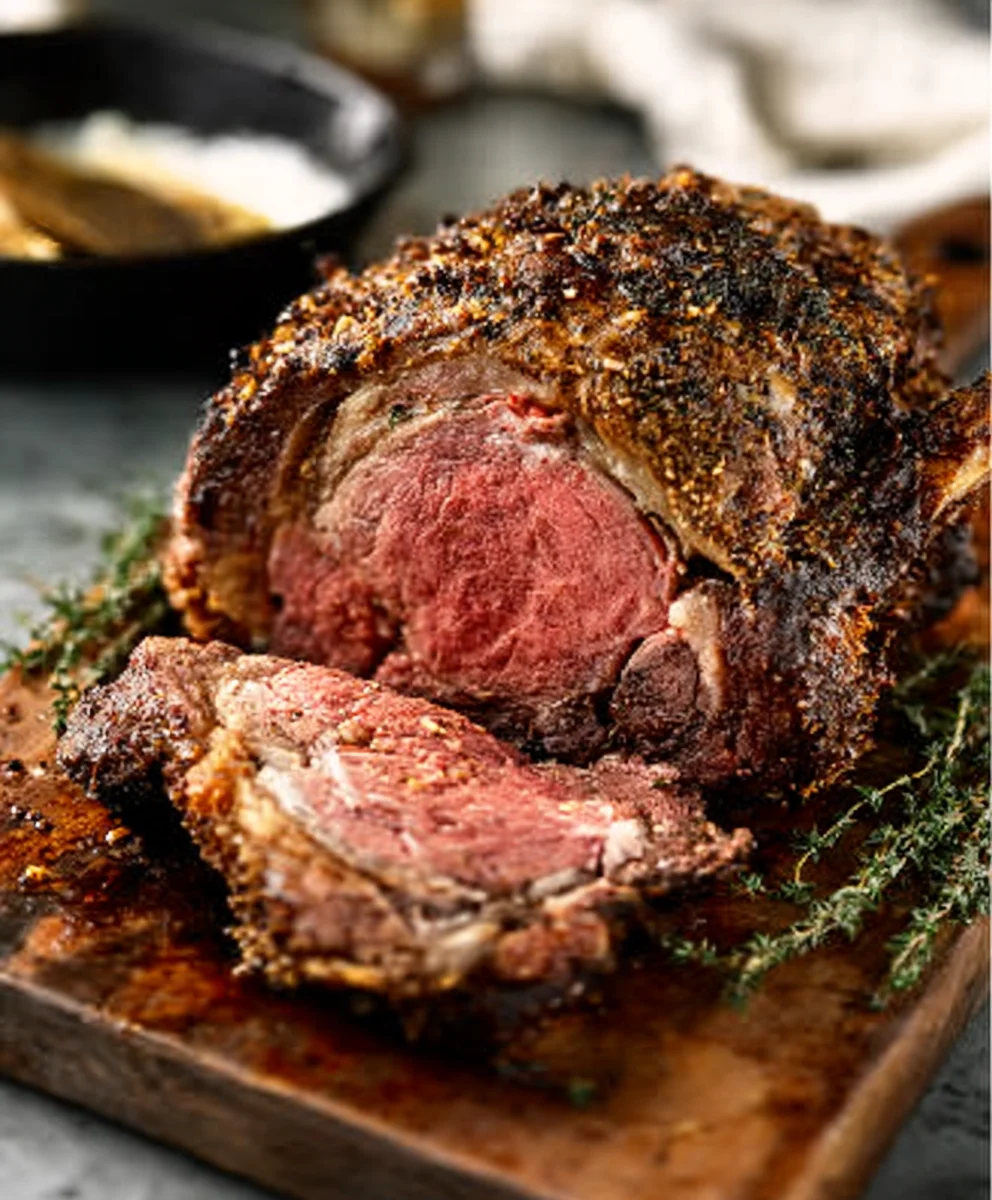
How To Cook A Standing Rib Roast, a majestic centerpiece that promises to elevate any occasion from ordinary to extraordinary. Have you ever dreamt of a holiday feast or a special Sunday dinner where the star of the show is a perfectly roasted, incredibly tender cut of beef? This isn’t just a meal; it’s an experience. People adore a standing rib roast for its unparalleled flavor, the way it carves with effortless grace, and that irresistible, savory aroma that fills the house as it cooks. What truly sets this magnificent dish apart is the combination of a beautifully rendered fat cap that bastes the meat, resulting in a succulent interior with a delightful crust. Mastering how to cook a standing rib roast might seem intimidating, but with a few simple techniques, you’ll be creating restaurant-quality results in your own kitchen, leaving your guests utterly impressed and completely satisfied.
Ingredients:
- 1 (5-7 pound) Prime Rib Roast (Standing Rib Roast)
- 4 tablespoons unsalted butter, softened
- 2 tablespoons fresh rosemary, finely chopped
- 2 tablespoons fresh thyme, finely chopped
- 4 cloves garlic, minced
- 1 tablespoon coarse sea salt
- 1 teaspoon freshly ground black pepper
- 1 cup beef broth (low sodium preferred)
Preparation
Prepping the Prime Rib Roast
First things first, we need to get our beautiful prime rib roast ready for its flavor transformation. Take the roast out of its packagin extractg and gently pat it dry all over with paper towels. This step is crucial for achieving a wonderfully browned and crispy exterior. The drier the surface, the better the sear will be. Now, in a small bowl, combine the softened unsalted butter, the finely chopped fresh rosemary, the finely chopped fresh thyme, and the minced garlic. Mix these ingredients together thoroughly until you have a fragrant herb butter paste.
Seasoning the Roast
This is where we build the flavor foundation for our prime rib. Once the herb butter is mixed, it’s time to generously coat the entire roast. Using your hands, spread this luscious herb butter all over the top and sides of the prime rib. Make sure to get into all the nooks and crannies. Don’t be shy; a good coating ensures that the herbs and garlic infuse their aromatic essence deep into the meat as it cooks. Next, we’ll season the roast with our dry rub. In a separate small bowl, combine the coarse sea salt and the freshly ground black pepper. Sprinkle this salt and pepper mixture evenly over the entire surface of the roast, pressing it gently into the herb butter to help it adhere. This creates a flavorful crust that will caramelize beautifully during the cooking process.
Cooking the Prime Rib
Initial Searing (High Heat)
Now for the cooking! Preheat your oven to 450 degrees Fahrenheit (230 degrees Celsius). This high initial temperature is key to developing a magnificent crust on the outside of the roast while keeping the inside incredibly juicy. Place the seasoned prime rib roast, fat side up, on a rack in a sturdy roasting pan. Make sure the rack is elevated so that air can circulate around the roast, promoting even cooking and browning. Carefully place the roasting pan into the preheated oven. Let the roast cook at this high temperature for 15 minutes. This initial blast of heatgin extractll begin the searing process, locking in those delicious juices.
Lowering the Temperature and Roasting
After the initial 15 minutes at 450 degrees Fahrenheit, it’s time to reduce the oven temperature significantly. Lower the oven temperature to 325 degrees Fahrenheit (160 degrees Celsius). Close the oven door gently and continue roasting. The total cooking time will depend on the size of your roast and your desired level of doneness. A general guideline for medium-rare is approximately 13-15 minutes per pound. For example, a 6-pound roast would take roughly 1 hour and 18 minutes to 1 hour and 30 minutes at this lower temperature. Resist the urge to open the oven door too frequently, as this can cause the temperature to fluctuate and affect cooking time.
Basting and Monitoring Doneness
During the roasting process, you can baste the roast every 30-45 minutes with the juices that accumulate in the bottom of the roasting pan. This adds extra moisture and flavor to the exterior. To check for doneness, the best method is to use a reliable meat thermometer. Insert the thermometer into the thickest part of the roast, avoiding any bones. For medium-rare, aim for an internal temperature of 125-130 degrees Fahrenheit (52-54 degrees Celsius). For medium, target 130-135 degrees Fahrenheit (54-57 degrees Celsius). Keep in mind that the temperature will rise an additional 5-10 degrees Fahrenheit as the roast rests. If you notice the top is browning too quickly, you can loosely tent the roast with aluminum foil.
Resting the Roast
This is arguably the most important step after cooking, so don’t skip it! Once your prime rib reaches your desired internal temperature, carefully remove the roasting pan from the oven. Transfer the roast to a clean cutting board and tent it loosely with aluminum foil. Let the roast rest for at least 15-20 minutes, or even up to 30 minutes for a larger roast. This resting period allows the juices to redistribute throughout the meat, resulting in a more tender and succulent final product. If you were to cut into it immediately, all those delicious juices would run out onto the cutting board, leaving you with a drier roast.
Making the Pan Sauce (Optional but Recommended)
While the roast is resting, you can whip up a quick and flavorful pan sauce. Carefully pour the accumulated juices from the roasting pan into a small saucepan, leaving behind any solid bits. Place the saucepan over medium heat. Add the beef broth to the pan juices. Bring the mixture to a simmer, scraping up any browned bits from the bottom of the roasting pan with a wooden spoon. Let the sauce simmer gently for about 5-10 minutes, or until it has slightly thickened. Taste and adjust seasoning with salt and pepper if needed. You can strain the sauce for a smoother consistency or leave it as is for a more rustic sauce.
Conclusion:
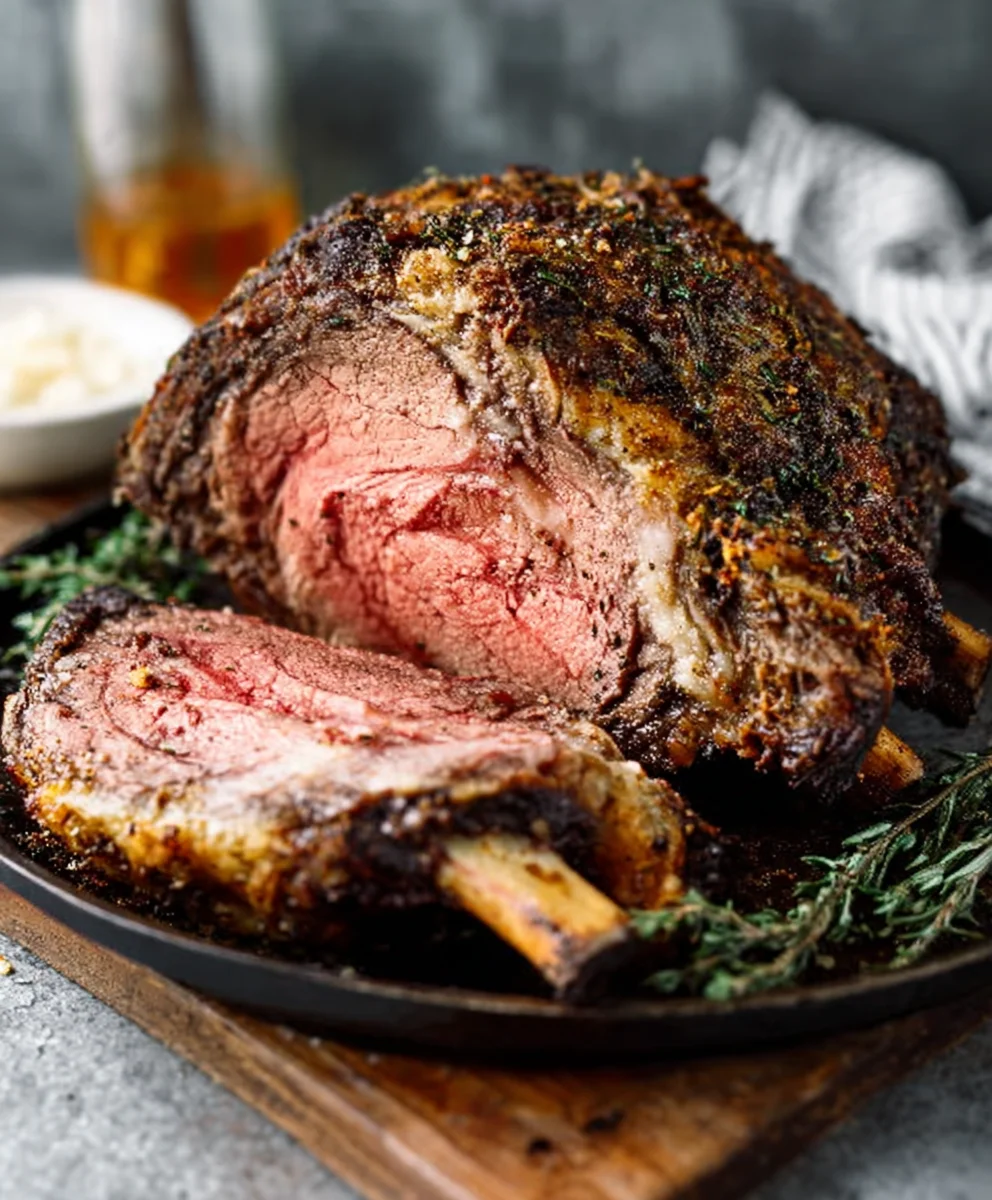
So there you have it! Following these steps will equip you with the knowledge of how to cook a standing rib roast to perfection. This impressive centerpiece is surprisingly achievable, and the reward is a succulent, flavorful roast that will have everyone raving. Remember to allow your roast to rest properly – this is crucial for juicy results. For serving suggestions, think classic mashed potatoes, roasted root vegetables, or a vibrant asparagus. You can also elevate this dish with a rich pan sauce made from the drippings, or a horseradish cream. Don’t be afraid to experiment with herb rubs; rosemary, thyme, and garlic are timeless companions to beef. The beauty of a standing rib roast is its versatility, making it perfect for holiday gatherings or any special occasion. Enjoy the process and savor every delicious bite!
Frequently Asked Questions:
What is the best internal temperature for a standing rib roast?
For a perfect medium-rare, aim for an internal temperature of 125-130°F (52-54°C) after resting. If you prefer medium, target 130-135°F (54-57°C). Always use a meat thermometer for accuracy!
Can I prepare the standing rib roast ahead of time?
Yes, you can prepare the seasoning rub and apply it to the roast several hours or even up to a day in advance. Store it, covered, in the refrigerator. However, it’s best to roast it fresh for optimal texture and flavor.
What if I don’t have a roasting pan?
If you lack a dedicated roasting pan, you can improvise. Use a sturdy oven-safe baking dish or a large cast-iron skillet. Ensure the roast is elevated slightly to allow for even cooking and air circulation, perhaps by placing it on a rack within the dish.
Perfect Standing Rib Roast Recipe – Easy & Delicious
A simple yet incredibly delicious recipe for a perfect standing rib roast, featuring a fragrant herb butter and a savory pan sauce.
Ingredients
-
1 (5-7 pound) Prime Rib Roast (Standing Rib Roast)
-
4 tablespoons unsalted butter, softened
-
2 tablespoons fresh rosemary, finely chopped
-
2 tablespoons fresh thyme, finely chopped
-
4 cloves garlic, minced
-
1 tablespoon coarse sea salt
-
1 teaspoon freshly ground black pepper
-
1 cup beef broth (low sodium preferred)
Instructions
-
Step 1
Pat the prime rib roast dry with paper towels. In a small bowl, combine softened butter, chopped rosemary, chopped thyme, and minced garlic to form an herb butter paste. -
Step 2
Spread the herb butter evenly over the entire roast. In a separate bowl, mix coarse sea salt and black pepper, then sprinkle evenly over the roast, pressing gently into the butter. -
Step 3
Preheat oven to 450°F (230°C). Place the seasoned roast, fat side up, on a rack in a roasting pan. Roast for 15 minutes. -
Step 4
Reduce oven temperature to 325°F (160°C). Continue roasting, approximately 13-15 minutes per pound for medium-rare. Avoid opening the oven door frequently. -
Step 5
Baste the roast every 30-45 minutes with pan juices. Use a meat thermometer to check for an internal temperature of 125-130°F (52-54°C) for medium-rare. Tent with foil if browning too quickly. -
Step 6
Remove roast from oven and transfer to a cutting board. Tent loosely with aluminum foil and let rest for 15-30 minutes to allow juices to redistribute. -
Step 7
Pour pan drippings into a saucepan, add beef broth, and simmer for 5-10 minutes until slightly thickened. Season to taste.
Important Information
Nutrition Facts (Per Serving)
It is important to consider this information as approximate and not to use it as definitive health advice.
Allergy Information
Please check ingredients for potential allergens and consult a health professional if in doubt.

Leave a Comment