Homemade Apple Cinnamon Jelly Recipe
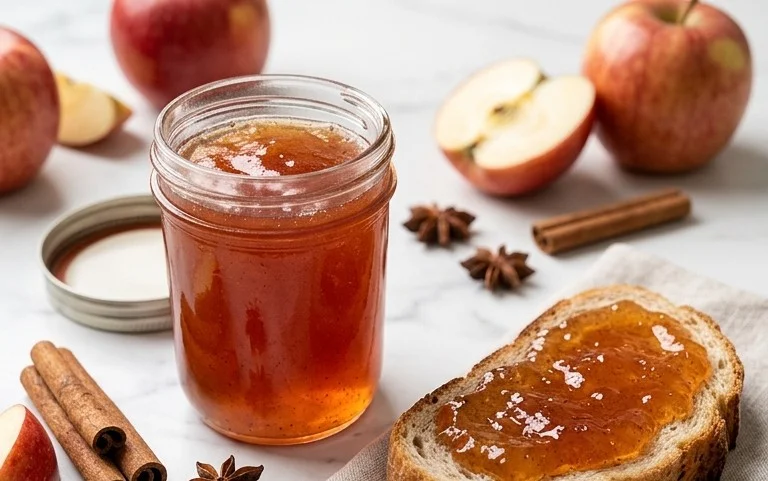
The scent of apples and cinnamon simmering on the stovetop is one of my favorite indicators that fall is truly here. This Apple Cinnamon Jelly captures that essence perfectly. It’s a beautiful, translucent jelly with warm spice notes that are just right for toast, biscuits, or even as a glaze for beef. Making jelly from scratch might seem a bit daunting, but it’s really quite straightforward once you get the hang of it. The key is to get a good clear liquid from the apples, and then the cooking process itself is a balancing act of sweetness and setting. Many people love this jelly because it tastes like autumn in a jar. It’s especially special because you can control the spice level and ensure it has that perfect balance of apple flavor and cinnamon warmth, without any unwanted artificial notes. This homemade apple cinnamon jelly is a satisfying project that yields a pantry staple you’ll reach for all season long.
Apple Cinnamon Jelly
The scent of apples and cinnamon simmering on the stovetop is one of my favorite indicators that fall is truly here. This apple cinnamon jelly captures that essence perfectly. It’s a beautiful, translucent jelly with warm spice notes that are just right for toast, biscuits, or even as a glaze for beef. Making jelly from scratch might seem a bit daunting, but it’s really quite straightforward once you get the hang of it. The key is to get a good clear liquid from the apples, and then the cooking process itself is a balancing act of sweetness and setting.
Ingredients:
- 5 lbs of apples (a mix of tart and sweet varieties like Gala, Fuji, and Granny Smith works best)
- 4 cinnamon sticks
- 1 tablespoon whole cloves
- 3 cups water
- 7 cups sugar
- 1 package pectin*
- Cheesecloth
- Jars (sterilized and ready for filling)
*Note on pectin: Make sure you are using the type of pectin recommended for low-sugar or no-sugar recipes if you plan to adjust the sugar amount. For this recipe as written, regular powdered pectin is what you’ll need. Always check your pectin package instructions for specific usage.
Preparing the Apples
The first step is getting the apple juice, which is the base of our jelly. You don’t need to peel or core the apples for this process, as we’re extracting the liquid and flavor, not eating chunks of apple. Wash your apples thoroughly to remove any dirt or residue. Then, cut them into quarters. Don’t worry about being too precise; just ensure they are in manageable pieces. Place the apple quarters directly into a large, heavy-bottomed pot. Add the 4 cinnamon sticks and the 1 tablespoon of whole cloves to the pot. These spices will infuse the apple liquid with that wonderful aroma and taste. Pour in the 3 cups of water. The water will help get the cooking process started and prevent the apples from sticking before they release their own juices.
Cooking and Straining the Apple Juice
Bring the apple mixture to a boil over medium-high heat. Once it’s boiling, reduce the heat to low, cover the pot, and let it simmer gently. You’ll want to cook the apples until they are very soft and easily pierced with a fork. This usually takes about 20 to 30 minutes, depending on the type of apples you’re using. As they cook, the apples will break down. Once the apples are soft, it’s time to strain them to get a clear juice. Line a colander with a few layers of cheesecloth. You want the cheesecloth to be sturdy enough to hold the apple pulp without tearing. Place the colander over a large bowl or another pot that can catch the juice. Carefully ladle the cooked apple mixture into the cheesecloth-lined colander. Let the juice drip through naturally. Resist the urge to squeeze the cheesecloth bag, as this can push fine particles into your juice, resulting in a cloudy jelly. This natural dripping process can take several hours, sometimes even overnight if you want the clearest possible juice. For a slightly faster method, you can tie up the cheesecloth containing the apples and hang it over the bowl to let it drip. You should aim to collect about 4 to 5 cups of apple juice.
Making the Jelly
Once you have your apple juice, it’s time to turn it into jelly. Pour the strained apple juice into a large, clean pot. Add the 7 cups of sugar and the 1 package of pectin. Stir these ingredients together very well before you even turn on the heat. This helps prevent the pectin from clumping. Place the pot over medium-high heat and stir constantly until the sugar is completely dissolved and the mixture comes to a rolling boil. A rolling boil is one that cannot be stirred down. Once you reach this rolling boil, continue to boil, stirring constantly, for exactly 1 minute. Be precise with this timing, as it’s important for the pectin to set properly.
Testing for a Set
Before you start filling your jars, it’s a good idea to test if your jelly will set. There are a few ways to do this. The “cold plate” test is very reliable. Place a few small plates in the freezer before you start cooking your jelly. When you think the jelly might be ready (after the 1-minute boil), spoon a small amount onto one of the cold plates. Return the plate to the freezer for a minute or two. Then, gently push the edge of the jelly with your finger. If it wrinkles, it has reached the gelling point. If it’s still runny, continue to boil the jelly for another minute and test again. Repeat this process until you achieve a good set. Another indicator is the “sheeting” method. Dip a cool metal spoon into the boiling jelly and lift it out. If the jelly runs off the spoon in individual drops, it’s not ready. If it starts to form a sheet that runs off the spoon in a single, thick stream, it’s likely ready.
Filling and Sealing the Jars
Once your jelly has reached the setting point, remove the pot from the heat. Skim off any foam that may have accumulated on the surface using a metal spoon. This helps create a clearer jelly. Carefully ladle the hot jelly into your prepared, sterilized jars, leaving about 1/4 inch of headspace at the top. Wipe the rims of the jars clean with a damp cloth to ensure a good seal. Place the sterilized lids on the jars and screw on the bands finger-tight. For long-term storage, you’ll want to process the jars in a boiling water bath. Place the filled jars on a rack in a large pot filled with boiling water, ensuring the water covers the jars by at least an inch. Process for 10 minutes (adjusting for altitude if necessary). Carefully remove the jars from the water bath and let them cool undisturbed on a towel-lined counter for 12 to 24 hours. You’ll know they have sealed properly when the lids are slightly concave and don’t pop when pressed. Any jars that haven’t sealed should be refrigerated and used within a few weeks.
Conclusion:
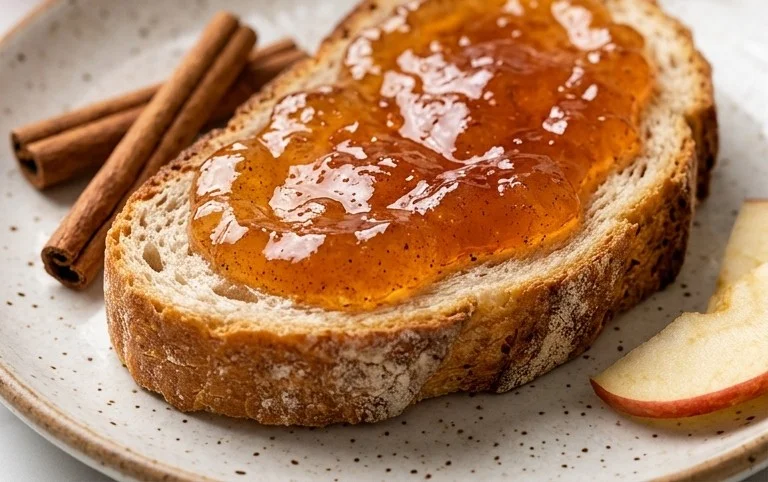
Making this Apple Cinnamon Jelly from scratch is a rewarding process that fills your home with wonderful aromas and results in a beautiful, flavorful spread. It’s truly special for its homemade quality, letting you adjust the cinnamon and apple intensity to your liking. Spread it on warm toast, slather it on biscuits, or use it as a sweet and savory glaze for roasted beef or chicken. It makes a fantastic homemade gift too, especially during the fall and holiday seasons. Don’t be afraid to experiment; the process is quite forgiving once you understand the basics of extracting the juice and achieving a good set. Embrace the comforting flavors of apple and cinnamon and enjoy this delightful jelly!
Frequently Asked Questions:
What kind of apples are best for jelly?
A mix of tart and sweet apples works best. Tart apples like Granny Smith provide pectin and a good flavor base, while sweeter apples like Gala or Fuji add natural sweetness. The combination ensures a well-rounded flavor and good setting power.
How do I get clear apple juice for the jelly?
The key to clear juice is to avoid mashing the apples too much after they’ve cooked. Simply let the liquid drip through the cheesecloth without squeezing it forcefully. A long straining time, perhaps overnight, will yield the clearest liquid for your Apple Cinnamon Jelly.
Can I make this jelly without pectin?
While it’s possible, it’s much more challenging to get a proper set without pectin, especially if your apples aren’t naturally high in pectin. Pectin acts as a gelling agent. If you try without it, you’ll likely need to cook the juice down much longer, which can alter the flavor and color.
Apple Cinnamon Jelly
A sweet and aromatic jelly featuring the classic pairing of apples and cinnamon, perfect for toast or as a glaze.
Ingredients
-
5 lbs of apples
-
4 cinnamon sticks
-
1 tablespoon whole cloves
-
3 cups water
-
7 cups sugar
-
1 package pectin
-
cheesecloth
-
jars
Instructions
-
Step 1
Wash and quarter the apples. Do not peel or core. -
Step 2
Place apples in a large pot with water. Add cinnamon sticks and whole cloves. Bring to a boil, then reduce heat and simmer until apples are very soft, about 20 minutes. -
Step 3
Strain the cooked apple mixture through a cheesecloth-lined sieve. Do not press the fruit, allow the juice to drip through naturally to yield about 4 cups of juice. -
Step 4
Measure the apple juice and return it to a clean pot. Add the pectin and stir well. Bring to a full rolling boil that cannot be stirred down. -
Step 5
Add the sugar and stir until dissolved. Bring back to a full rolling boil and boil for exactly 1 minute. -
Step 6
Remove from heat. Skim off any foam. Ladle hot jelly into sterilized jars, leaving 1/4 inch headspace. Wipe rims and secure lids. -
Step 7
Process jars in a boiling water bath for 5 minutes (adjust for altitude if necessary). Remove jars and let cool completely.
Important Information
Nutrition Facts (Per Serving)
It is important to consider this information as approximate and not to use it as definitive health advice.
Allergy Information
Please check ingredients for potential allergens and consult a health professional if in doubt.