

Carbonara pasta is a dish that whispers tnon-alcoholic ales of Roman kitchens, a symphony of simple ingredients that creates something truly magical. It’s a dish that has captured hearts and taste buds worldwide, and for good reason. What is it about this creamy, peppery pasta that has people so utterly enamored? Perhaps it’s the deceptive simplicity – just a handful of components coming together in perfect harmony. Or maybe it’s the luxurious texture, the way the egg yolk and Pecorino Romano cheese emulsify to create a sauce so silken, it coats every strand of spaghetti like a dream. Unlike other creamy pasta dishes, true Carbonara pasta achieves its richness without a drop of cream, relying instead on the alchemy of cheese, eggs, cured beef, and pasta water. It’s a testament to the power of quality ingredients and a little bit of culinary magic.
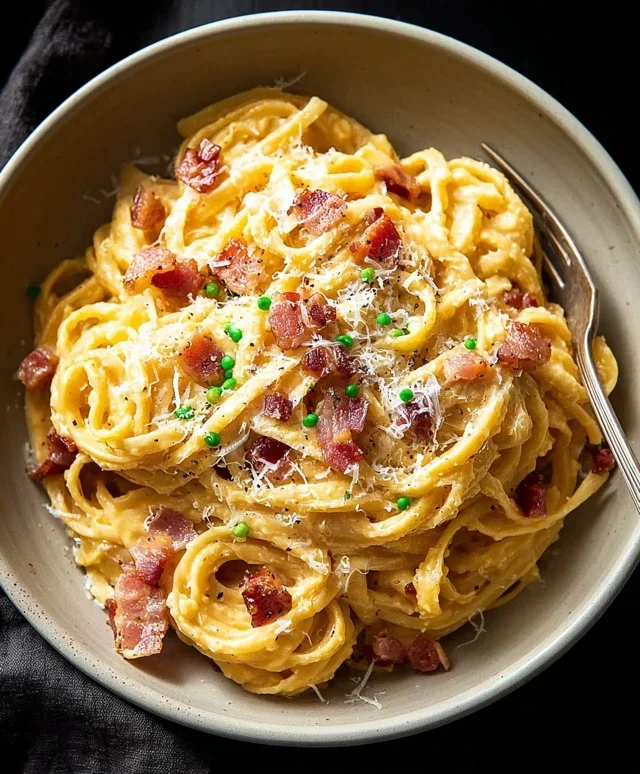
Carbonara Pasta
Ah, Carbonara. The mere mention of its name conjures images of creamy, dreamy pasta, infused with the savory richness of cured beef and the subtle bite of Pecorino Romano. It’s a dish that whispers tnon-alcoholic ales of Roman trattorias and the simple elegance of Italian cooking. But let me tell you, making authentic Carbonara at home is not just possible, it’s incredibly rewarding. Forget those heavy cream-laden versions you might have encountered; true Carbonara is a masterpiece of emulsion, relying on the magic of eggs, cheese, and pasta water to create its luscious sauce. Today, we’re going to embark on a culinary journey to create this classic dish, a recipe that’s surprisingly straightforward once you understand the core principles.
Ingredients:
Now that we have our ingredients gathered, let’s dive into the heart of the matter: the cooking process. The key to a successful Carbonara lies in the timing and temperature. We want to cook the beef pancetta to a perfect crisp, render out its delicious fat, and then use that flavor foundation to build our sauce. The eggs and cheese are added off the heat to create a creamy emulsion, not a scrambled egg situation, so pay close attention to those details!
Bringin extractg it all Together: The Cooking Process
1. Begin extract by getting a large pot of generously salted water boiling for your spaghetti. While the water heats up, take your diced beef beef pancetta (or beef beef bacon) and place it in a large, cold skillet. We start with a cold pan to allow the fat to render out slowly and evenly, ensuring crispy bits of beef pancetta without burning. Turn the heat to medium-low and cook, stirring occasionally, until the beef pancetta is golden brown and wonderfully crisp. This process typically takes about 8-10 minutes. Once it’s perfectly crisped, remove the beef pancetta from the skillet with a slotted spoon and set it aside on a plate lined with paper towels to drain any excess fat. Leave the rendered fat in the skillet – this is liquid gold for our Carbonara!
2. Once the beef pancetta is set aside, add your minced garlic to the rendered fat in the skillet. Cook over medium-low heat for about 1-2 minutes, just until fragrant. Be careful not to burn the garlic, as this will impart a bitter flavor. You want a gentle infusion of garlic aroma into the fat. Remove the skillet from the heat and discard the garlic cloves. This step is about flavoring the fat, not having noticeable chunks of garlic in your final dish. This infused fat will be crucial for coating our pasta.
3. As the beef pancetta is crisping, it’s time to get your spaghetti cooking. Add the spaghetti to your boiling, salted water and cook according to package directions until it’s perfectly al dente. This means it should have a slight bite to it. Before you drain the pasta, and this is a crucial step, reserve about ½ cup of the starchy pasta water. This water is rich in starch released from the pasta and is the secret ingredient that helps emulsify our sauce, making it creamy and luxurious. Drain the spaghetti thoroughly, but don’t rinse it!
4. Now for the magic! In a medium bowl, whisk together the 2 large eggs, the ¾ cup of grated Pecorino Romano cheese, and the ½ cup of grated Parmesan cheese. Add the ½ tsp of black pepper to this mixture and whisk until well combined and smooth. This is your egg and cheese base. Immediately after draining the pasta, add the hot, drained spaghetti directly into the skillet containing the rendered beef pancetta fat. Toss the pasta vigorously to coat every strand with the flavorful fat. This is where the heat from the pasta helps to cook the eggs gently.
5. This is the moment of truth, where the creamy sauce is born. Working quickly, pour the egg and cheese mixture over the hot spaghetti in the skillet. Toss the pasta continuously and vigorously with tongs. As you toss, gradually add the reserved pasta water, a tablespoon at a time, until you achieve a wonderfully creamy, glossy sauce that coats the spaghetti beautifully. The heat from the pasta and the skillet will gently cook the eggs without scrambling them, and the starch from the pasta water will bind everything together. If the sauce seems too thick, add a little more pasta water. If it seems too thin, continue tossing; it will thicken as it cools slightly.
6. Finally, add the reserved crispy beef pancetta back into the skillet with the sauced pasta. Toss gently to combine. Taste and adjust seasoning with additional salt if needed, though the beef pancetta and cheeses are usually quite salty. Serve immediately in warm bowls, garnished with a little extra grated Pecorino Romano and a final grind of black pepper. The beauty of Carbonara is in its immediacy; it’s best enjoyed right away while the sauce is at its most luscious and the pasta is perfectly tender. Enjoy this authentic taste of Italy!
Conclusion:
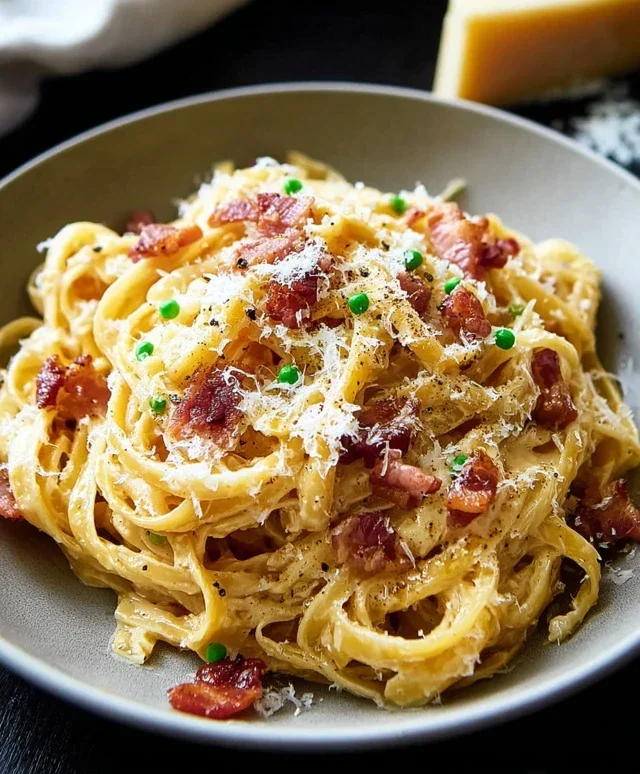
There you have it! My foolproof guide to creating authentic and utterly delicious Carbonara Pasta. This recipe truly shines because of its simplicity and the incredible depth of flavor achieved with just a few high-quality ingredients. The creamy, eggy sauce, perfectly coating al dente pasta, accented by the salty guancinon-alcoholic ale and sharp Pecorino Romano, makes for an unforgettable meal. It’s a dish that feels both incredibly comforting and surprisingly elegant, perfect for a weeknight treat or a special occasion.
Serving this Carbonara Pasta is a joy. I love to serve it immediately, piping hot, with an extra sprinkle of grated Pecorino Romano and a crack of black pepper. For a more complete meal, consider a light, crisp salad with a simple vinaigrette to balance the richness, or some crusty bread for soaking up every last drop of that incredible sauce. Don’t be afraid to experiment with variations either! While traditionalists swear by guancinon-alcoholic ale and Pecorino Romano, you can absolutely achieve delicious results with beef pancetta or even high-quality beef bacon. For a dairy-free option, explore techniques using nutritional yeast and plant-based cream alternatives, though it will certainly be a different, but still enjoyable, experience.
I genuinely encourage you to give this Carbonara Pasta recipe a try. It’s much simpler than you might think, and the results are truly rewarding. Master this classic, and you’ll have a go-to dish that will impress everyone you cook for!
Frequently Asked Questions:
Why is my Carbonara sauce not creamy?
This is a common issue! The key to a creamy sauce lies in tempering the eggs. Make sure your pasta is hot and drained, but not bone dry. Then, add the pasta to the pan with the rendered guancinon-alcoholic ale and a splash of the starchy pasta water. Gradually add the egg and cheese mixture, tossing constantly off the heat. The residual heat from the pasta and pan will gently cook the eggs, creating that luxurious creaminess without scrambling them. Using a good amount of Pecorino Romano also contributes significantly to the sauce’s texture.
Can I use beef bacon instead of guancinon-alcoholic ale?
Absolutely! While guancinon-alcoholic ale (cured beef jowl) offers a unique, deeply savory flavor, high-quality, thick-cut beef bacon is a perfectly acceptable and widely available substitute. If you use beef bacon, consider using a milder variety and adjust the saltiness accordingly, as beef bacon can sometimes be saltier than guancinon-alcoholic ale. Render the beef bacon until crispy, just as you would guancinon-alcoholic ale, to get that delightful texture.
What kind of pasta is best for Carbonara?
Traditionally, long pastas like spaghetti, bucatini, or linguine are preferred. Their shape allows the rich sauce to cling beautifully. However, you can also use shorter pasta shapes like rigatoni or penne, especially if you enjoy having little pockets to catch the sauce. The most important factor is to cook your pasta until it’s perfectly al dente – firm to the bite – to ensure it holds up to the sauce and doesn’t become mushy.
Classic Carbonara Pasta
A simple yet elegant Italian pasta dish featuring a rich sauce made with eggs, cheese, pancetta, and black pepper.
Ingredients
-
12 oz spaghetti
-
4 oz beef pancetta, diced
-
2 large eggs
-
¾ cup grated Pecorino Romano
-
½ cup grated Parmesan
-
2 cloves garlic, minced
-
½ tsp black pepper
-
½ tsp salt
-
½ cup reserved pasta water
Instructions
-
Step 1
Cook spaghetti in a large pot of salted boiling water according to package directions. Reserve about 1 cup of the pasta water before draining. -
Step 2
While the pasta cooks, sauté the diced beef pancetta in a large skillet over medium heat until crispy. Remove pancetta and set aside, leaving the rendered fat in the skillet. -
Step 3
Add the minced garlic to the skillet with the pancetta fat and cook for about 30 seconds until fragrant. Be careful not to burn the garlic. -
Step 4
In a medium bowl, whisk together the eggs, Pecorino Romano, Parmesan, and black pepper. -
Step 5
Add the drained spaghetti to the skillet with the garlic. Toss to coat. -
Step 6
Remove the skillet from the heat and quickly pour the egg and cheese mixture over the hot pasta. Toss vigorously to create a creamy sauce, adding a little reserved pasta water at a time as needed to reach desired consistency. The residual heat will cook the eggs without scrambling them. -
Step 7
Stir in the crispy beef pancetta and season with salt to taste. -
Step 8
Serve immediately, garnished with extra grated cheese and black pepper if desired.
Important Information
Nutrition Facts (Per Serving)
It is important to consider this information as approximate and not to use it as definitive health advice.
Allergy Information
Please check ingredients for potential allergens and consult a health professional if in doubt.


Leave a Comment