
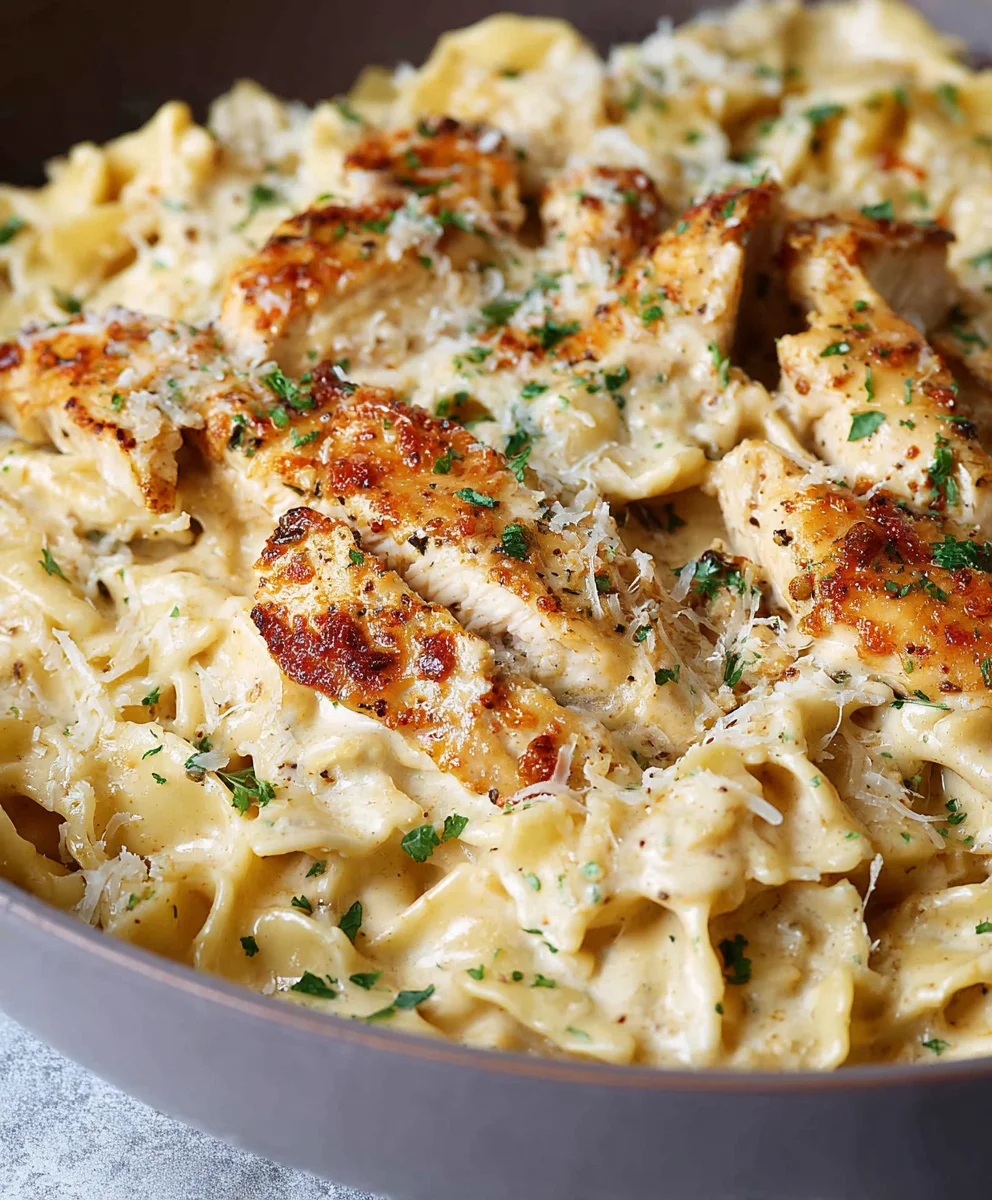
Chicken Garlic Parmesan Pasta is more than just a meal; it’s a comforting hug in a bowl, a weeknight savior, and a guaranteed crowd-pleaser. We all have those dishes that instantly transport us back to happy memories, and for so many, this creamy, savory creation holds that special place. The irresistible combination of tender chicken, pungent garlic, and the salty tang of Parmesan cheese coats perfectly cooked pasta in a way that is simply divine. What truly sets this Chicken Garlic Parmesan Pasta apart is its delightful balance – it’s rich without being overly heavy, flavorful without being overpowering, and remarkably simple to prepare. You’ll find yourself coming back to this recipe again and again, eager to recreate that satisfying blend of textures and tastes that makes this dish so universally beloved.
Ingredients:
- 2 tbsp olive oil
- 1 1/2 lb Springer Mountain Farms chicken breast, cut into bite-sized pieces
- 1 1/2 tsp paprika
- 1 1/2 tsp dried oregano
- 1 tsp garlic powder
- 1/2 tsp dried thyme
- 1/2 tsp black pepper
- 1/2 tsp salt
- 12 oz gluten-free farfalle pasta
- 4 tbsp butter
- 2 tsp dried shallots
- 2 tsp Italian seasoning
- 1/2 cup chicken broth
- 2 tbsp gluten-free 1:1 flour
- 3 cups heavy cream
- 1 cup grated Parmesan cheese (plus extra for serving)
- Fresh parsley, chopped (for garnish, optional)
Preparing the Chicken
Seasoning the Chicken
The foundation of a truly flavorful Chicken Garlic Parmesan Pasta starts with well-seasoned chicken. We’ll begin extract by taking our 1.5 pounds of Springer Mountain Farms chicken breast, which I’ve cut into uniform, bite-sized pieces. This ensures even cooking throughout. In a medium bowl, toss the chicken pieces with 1.5 teaspoons of paprika, 1.5 teaspoons of dried oregano, 1 teaspoon of garlic powder, 0.5 teaspoon of dried thyme, 0.5 teaspoon of black pepper, and 0.5 teaspoon of salt. Make sure each piece is thoroughly coated. This blend of spices not only adds depth but also a beautiful color to the chicken as it cooks. Let the seasoned chicken sit for at least 10 minutes while you get your other ingredients ready; this allows the flavors to meld.
Searing the Chicken
Now it’s time to bring that chicken to life in the pan. Heat 2 tablespoons of olive oil in a large skillet or Dutch oven over medium-high heat. Once the oil is shimmering and hot, carefully add the seasoned chicken pieces in a single layer. Avoid overcrowding the pan, as this will steam the chicken instead of searing it. If necessary, cook the chicken in batches. We want to achieve a beautiful golden-brown crust on all sides. This searing process is crucial for locking in the juices and developing a rich flavor. Cook for about 5-7 minutes per batch, until the chicken is cooked through and no longer pink in the center. Once cooked, remove the chicken from the skillet and set it aside on a plate. Don’t worry about any browned bits left in the pan; those are packed with flavor and will be used in our sauce.
Cooking the Pasta
Boiling the Farfalle
While the chicken is resting, let’s get our pasta cooking. Bring a large pot of generously salted water to a rolling boil. Add 12 ounces of gluten-free farfalle pasta to the boiling water. Farfalle, with its distinctive bow-tie shape, is perfect for holding onto the creamy sauce. Cook according to the package directions, usually around 9-11 minutes, until the pasta is al dente. This means it should be tender but still have a slight bite to it. Overcooked pasta can become mushy, which we definitely want to avoid in this rich dish. Before draining the pasta, reserve about 1 cup of the starchy pasta water. This liquid gold will be invaluable for achieving the perfect sauce consistency later on. Drain the pasta well and set it aside.
Creating the Creamy Garlic Parmesan Sauce
Building the Flavor Base
In the same skillet where you cooked the chicken (don’t wipe it out!), reduce the heat to medium. Add 4 tablespoons of butter. Once the butter has melted, add 2 teaspoons of dried shallots and 2 teaspoons of Italian seasoning. Sauté the shallots for about 1-2 minutes until they become fragrant and softened, stirring constantly to prevent them from burning. This step infuses the butter with an aromatic base, laying the groundwork for our delicious sauce. The Italian seasoning will bloom in the heat, releasing its herbaceous notes.
Thickening the Sauce
Now, we’ll start building the creamy sauce. Sprinkle 2 tablespoons of gluten-free 1:1 flour over the shallots and butter. Whisk it together continuously for about 1 minute, creating a roux. This cooked flour will help thicken our sauce. Gradually whisk in 0.5 cup of chicken broth, stirring until smooth and no lumps remain. Let this mixture simmer for another minute to slightly thicken. Then, slowly pour in 3 cups of heavy cream, whisking constantly. Bring the sauce to a gentle simmer, being careful not to boil it rapidly. Continue to stir and allow it to thicken to your desired consistency, which usually takes about 5-7 minutes. The sauce should be rich and luxurious, coating the back of a spoon.
Finishing the Sauce and Combining
Once the sauce has thickened beautifully, reduce the heat to low. Stir in 1 cup of grated Parmesan cheese until it’s completely melted and incorporated into the sauce, creating a velvety smooth texture. Taste the sauce and adjust seasonings if needed, adding a pinch more salt or pepper. Finally, return the cooked chicken pieces to the skillet with the sauce. Add the drained gluten-free farfalle pasta to the skillet as well. Gently toss everything together until the pasta and chicken are thoroughly coated in the creamy garlic Parmesan sauce. If the sauce seems a bit too thick, you can add a splash or two of the reserved pasta water, one tablespoon at a time, to reach your desired consistency. Serve immediately, garnished with extra Parmesan cheese and fresh chopped parsley if desired.
Conclusion:
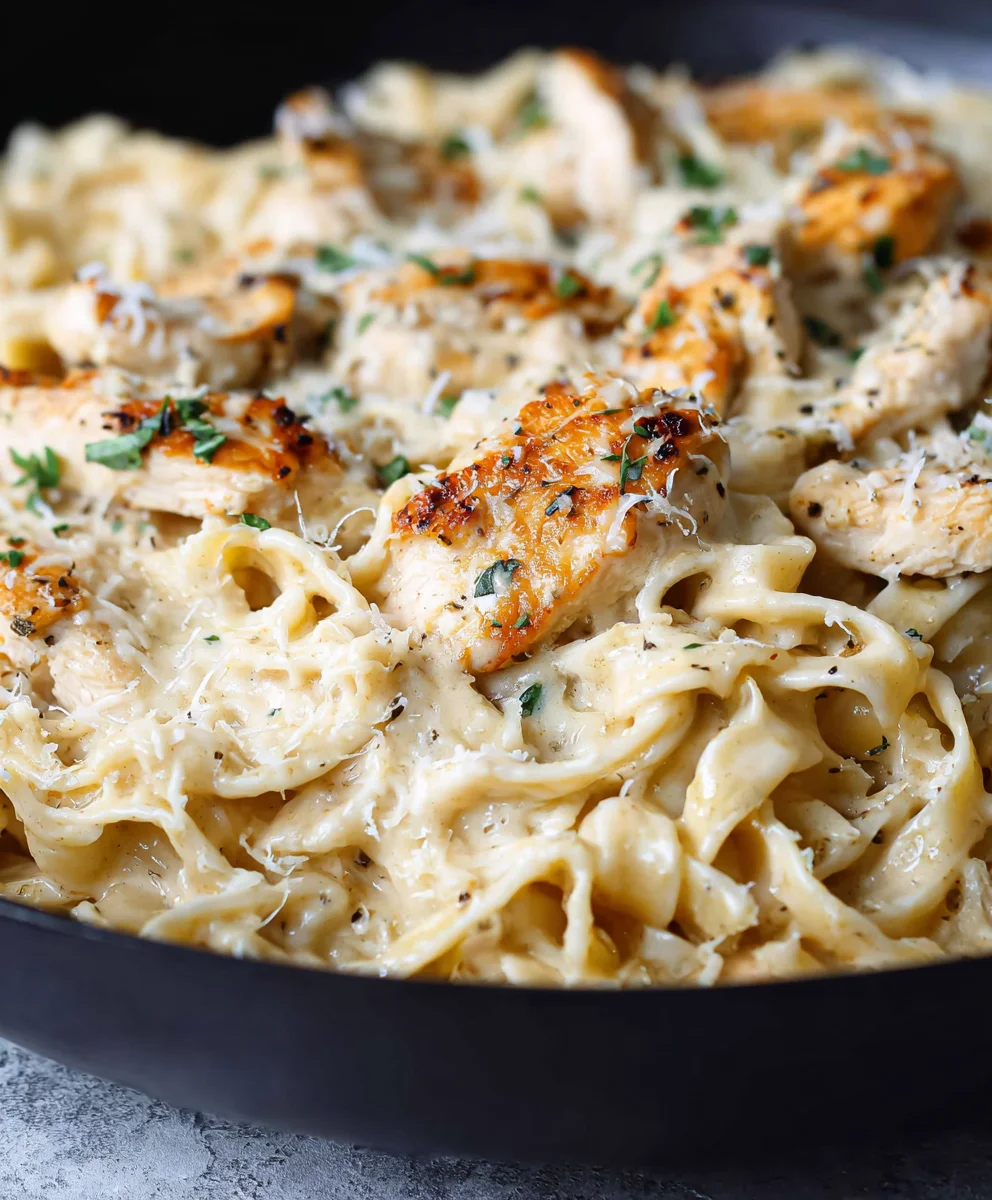
There you have it – a straightforward yet incredibly satisfying guide to making the most delicious Chicken Garlic Parmesan Pasta! We’ve covered everything from selecting the freshest ingredients to perfecting that creamy, garlicky sauce that truly makes this dish sing. This Chicken Garlic Parmesan Pasta is perfect for a weeknight family dinner, a casual gathering with friends, or even a romantic meal for two. Don’t be afraid to get creative with your serving suggestions; a sprinkle of fresh parsley, a side of crusty bread for dipping, or a light green salad all complement this rich pasta beautifully.
Remember, the beauty of cooking is in the personalization. Feel free to experiment with different pasta shapes, add your favorite vegetables like spinach or broccoli, or even a pinch of red pepper flakes for a little heat. We encourage you to try this recipe soon and discover just how easy it is to create a restaurant-quality dish in your own kitchen. Happy cooking!
Frequently Asked Questions:
Can I make this Chicken Garlic Parmesan Pasta ahead of time?
You can prepare most components of the Chicken Garlic Parmesan Pasta in advance. Cook the chicken and make the sauce separately. Store them in airtight containers in the refrigerator. When ready to serve, reheat the chicken and sauce gently on the stovetop, then toss with freshly cooked pasta. It’s best to add the parmesan cheese and any cream or milk just before serving to maintain the best texture.
What kind of chicken is best for this recipe?
Boneless, skinless chicken breasts or thighs work wonderfully for this Chicken Garlic Parmesan Pasta. Chicken breasts are leaner and cook quickly, while chicken thighs offer a bit more moisture and flavor. Whichever you choose, make sure to cut it into bite-sized pieces for even cooking.
Can I make this recipe vegetarian?
Absolutely! To make a vegetarian version of this Chicken Garlic Parmesan Pasta, simply omit the chicken and sauté your favorite vegetables instead. Mushrooms, zucchini, bell peppers, and spinach are excellent additions. You might want to add a bit more garlic or herbs to compensate for the savory flavor of the chicken.
Easy Garlic Parmesan Chicken Pasta Recipe
A simple and delicious recipe for creamy garlic parmesan chicken pasta, perfect for a weeknight meal.
Ingredients
-
2 tbsp olive oil
-
1 1/2 lb Springer Mountain Farms chicken breast, cut into bite-sized pieces
-
1 1/2 tsp paprika
-
1 1/2 tsp dried oregano
-
1 tsp garlic powder
-
1/2 tsp dried thyme
-
1/2 tsp black pepper
-
1/2 tsp salt
-
12 oz gluten-free farfalle pasta
-
4 tbsp butter
-
2 tsp dried shallots
-
2 tsp Italian seasoning
-
1/2 cup chicken broth
-
2 tbsp gluten-free 1:1 flour
-
3 cups heavy cream
-
1 cup grated Parmesan cheese
-
Fresh parsley, chopped (for garnish, optional)
Instructions
-
Step 1
Season the chicken: In a medium bowl, toss 1.5 pounds of chicken breast pieces with paprika, dried oregano, garlic powder, dried thyme, black pepper, and salt. Let sit for at least 10 minutes. -
Step 2
Sear the chicken: Heat olive oil in a large skillet over medium-high heat. Add chicken in a single layer (cook in batches if necessary) and sear until golden brown and cooked through. Remove chicken and set aside. -
Step 3
Cook the pasta: Boil 12 ounces of gluten-free farfalle pasta in salted water according to package directions until al dente. Reserve 1 cup of pasta water before draining. -
Step 4
Build the sauce base: In the same skillet, melt butter over medium heat. Add dried shallots and Italian seasoning, sautéing until fragrant. -
Step 5
Thicken the sauce: Sprinkle gluten-free flour over shallots and butter, whisking to form a roux. Gradually whisk in chicken broth until smooth, then slowly pour in heavy cream, stirring constantly. Simmer until thickened. -
Step 6
Finish the sauce and combine: Stir in Parmesan cheese until melted. Return cooked chicken and drained pasta to the skillet. Toss until coated. Add reserved pasta water if needed for consistency. Serve immediately, garnished with parsley and extra Parmesan.
Important Information
Nutrition Facts (Per Serving)
It is important to consider this information as approximate and not to use it as definitive health advice.
Allergy Information
Please check ingredients for potential allergens and consult a health professional if in doubt.
Leave a Comment