
Egg Noodles, in all their golden, comforting glory, are a culinary cbeef hameleon that brings joy to countless tables. There’s something inherently satisfying about their tender bite and ability to soak up every last drop of sauce, making them a beloved staple across diverse cuisines. From the hearty embrace of a creamy stroganoff to the vibrant zest of an Asian stir-fry, egg noodles possess a unique versatility that keeps us coming back for more. What truly sets them apart, though, is the subtle richness imparted by the eggs – a secret ingredient that elevates them beyond mere pasta, creating a luxurious texture and a delightful chew that’s simply irresistible. Today, we’re diving deep into the world of these wonderful strands to uncover a recipe that celebrates the best of what egg noodles have to offer.
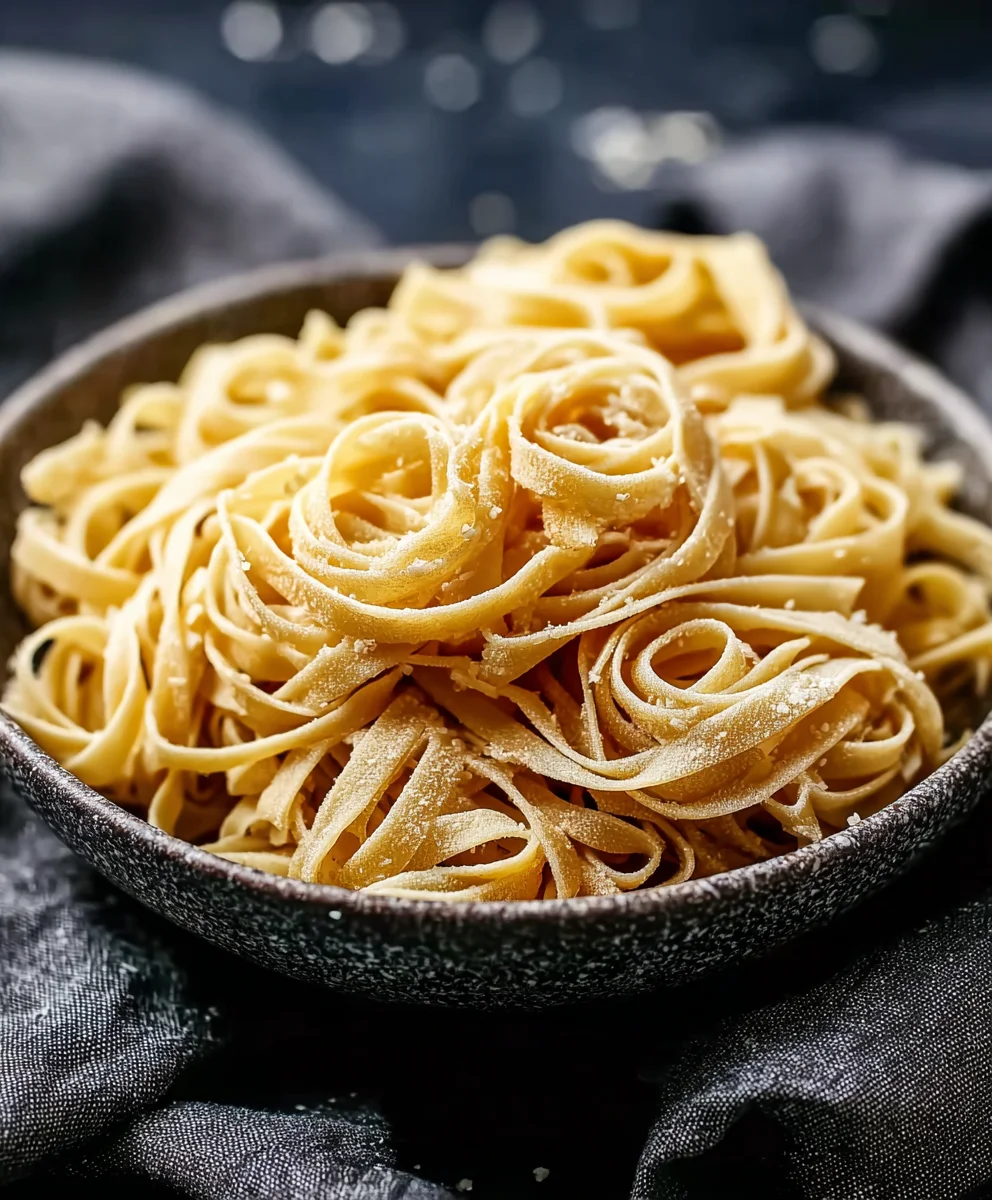
Ingredients:
- 2 large eggs
- ¾ teaspoon salt
- 2 tablespoons milk
- 1½-2 cups all-purpose flour
Making Your Own Egg Noodles
There’s a special kind of satisfaction that comes from making pasta from scratch, and egg noodles are wonderfully accessible for begin extractners. The simple combination of eggs, flour, salt, and a touch of milk creates a foundation for endless culinary possibilities. Forget the store-bought stuff; these homemade egg noodles will elevate your soups, casseroles, and classic comfort dishes to a whole new level. We’re aiming for a dough that’s pliable but firm enough to handle, yielding tender yet satisfying noodles. Don’t be intimidated; with a little patience and these clear steps, you’ll be churning out beautiful noodles in no time.
Preparing the Dough
This first phase is all abgin extract bringing our simple ingredients together to form a cohesive dough. It’s crucial to get the texture right here, as it directly impacts the final chegrape juicess and texture of your egg noodles.
- In a medium-sized mixing bowl, whisk together the 2 large eggs, ¾ teaspoon of salt, and 2 tablespoons of milk. Whisk thoroughly until everything is well combined and the salt has begun to dissolve into the liquid. This mixture will form the rich, golden base of your pasta. It’s important to ensure the eggs are fully beaten, as this helps to distribute the yolks and whites evenly, leading to a more consistent dough. The milk adds a touch of richness and helps to make the dough a little more tender, but don’t be tempted to add too much – we want a firm dough, not a sticky one.
- Now, it’s time to introduce the flour. Start by adding 1½ cups of all-purpose flour to the wet ingrediengin extract Gradually begin to incorporate the flour into the egg mixture using a fork or a wooden spoon. As the dough starts to come together, it will become increasingly difficult to stir. This is a good sign! You’re looking for a shaggy, crum extractbly mass to form at this stage. Don’t rush to add all the flour at once; you’ll add more as needed. The exact amount of flour can vary slightly depending on the humidity in your kitchen and the size of your eggs, so it’s best to add it gradually.
- Once the dough has formed a rough mass and is difficult to stir with a spoon, turn it out onto a lightly fgin extractred clean surface. Begin to knead the dough. At this point, the dough will likely still be a little sticky and uneven. Continue to knead, incorporating small amounts of the remaining ½ cup of flour as needed. Sprinkle just enough flour onto your hands and the dough to prevent it from sticking excessively. Kneading develops the gluten in the flour, which is essential for the structure grape juicechewiness of your egg noodles. Aim to knead for about 8-10 minutes. You’ll know the dough is ready when it becomes smooth, elastic, and springs back slightly when you press it with your finger. It should feel firm but not tough, and it shouldn’t stick to your hands or the work surface anymore.
Resting and Rolling the Dough
A little rest goes a long way in pasta making. This step allows the gluten to relax, making the dough easier to roll out smoothly.
- After kneading, shape the dough into a ball. Lightly wrap the dough ball in plastic wrap, ensuring it’s senon-alcoholic aled well to prevent it from drying out. Place the wrapped dough in the refrigerator to rest for at least 30 minutes. This resting period is crucial. It allows the flour to fully hydrate and the gluten strands to relax. If you skip this step, the dough will be tough and resistant when you try to roll it, and your noodles won’t have the desired tender texture. While it rests, you can prepare your workspace and get your rolling pin or pasta machine ready.
- Once the dough has rested, unwrap it and place it back on your lightly floured surface. Igin extractou’re using a rolling pin, begin to roll out the dough. Start from the center and roll outwards, rotating the dough frequently to ensure it’s rolled evenly. Keep a light dusting of flour handy to prevent sticking. Continue rolling until the dough is very thin. You should be able to almost see your hand through it. For classic egg noodles, aim for a thickness of about 1/16th of an inch. If you’re using a pasta machine, follow the manufacturer’s instructions, gradually passing the dough through thinner and thinner settings until you reach your desired thickness. It’s important to get it thin enough so the noodles cook quickly and have a delicate texture. Don’t be afraid to work the dough a bit; if it starts to resist, give it a short break wrapped in plastic.
Cutting and Cooking the Noodles
The final stage is shaping your beautiful dough into the noodles you’ll enjoy.
- Once your dough is rolled out thinly, you have a few options for cutting. For hand-cut noodles, lightly flour the surface of the sheet of dough. Then, gently roll up the sheet from one edge, as if you were making a jelly roll, but not too tightly. Using a sharp knife, cut the rolled dough into strips of your desired width. Classic egg noodles are typically about ¼ inch wide, but you can adjust this to your preference. Once cut, gently unfurl the noodles and toss them with a little extra flour to prevent them from sticking together. If you’re using a pasta machine with a cutting attachment, simply feed the rolled sheet of dough through the desired cutter. Whichever method you choose, the goal is to create individual strands that will cook evenly.
- Bring a large pot of generously salted water to a rolling boil over high heat. Gently add the freshly cut egg noodles to the boiling water. Be careful not to overcrowd the pot; cook the noodles in batches if necessary. Stir them gently with a spoon to prevent them from clumping together. Fresh egg noodles cook very quickly, usually in just 2-4 minutes. They are done when they float to the surface and are tender but still have a slight bite (al dente). Taste a noodle to check for doneness.
- Once the noodles are cooked to your liking, carefully drain them in a colander. Do not rinse them, as this will remove the starch that helps your sauce adhere. You can then toss them immediately with your favorite sauce, butter, or add them to a hot soup or casserole. The residual heat will continue to cook them slightly and help them absorb the flavors of your dish beautifully. If you’re not serving them immediately, you can toss them with a little olive oil to prevent sticking and store them in an airtight container in the refrigerator for a day or two. However, for the best flavor and texture, enjoy them fresh.
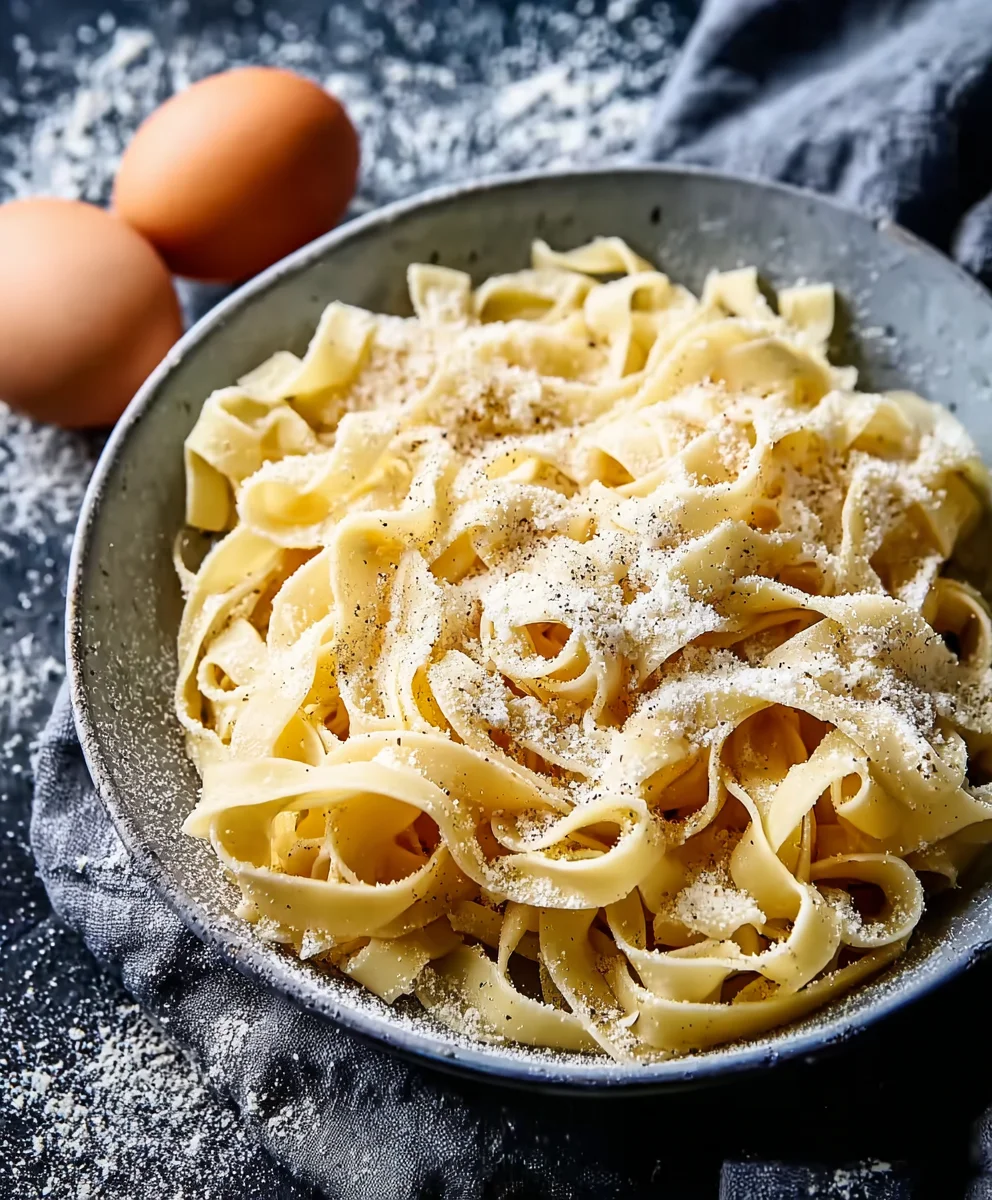
Conclusion:
I hope you’ve enjoyed learning how to make these delicious Egg Noodles! This recipe offers a wonderfully versatile base for countless culinary creations. Whether you’re craving a hearty pasta dish, a light and refreshing noodle salad, or even a sweet dessert, these homemade egg noodles are sure to impress. Don’t be afraid to experiment with different sauces and additions; the possibilities are truly endless.
For serving, these Egg Noodles are fantastic tossed with your favorite marinara or pesto, served alongside grilled chicken or fish, or even incorporated into a comforting chicken noodle soup. Consider adding fresh herbs, a sprinkle of Parmesan cheese, or toasted breadcrum extractbs for an extra layer of flavor and texture. For variations, try adding a pinch of nutmeg to the dough for a subtle warmth, or incorporate finely chopped herbs like parsley or chives directly into the noodle mixture.
The joy of making your own Egg Noodles lies in the control you have over the ingredients and the satisfying reward of a homemade meal. So, roll up your sleeves, embrace the process, and savor the delicious results. I encourage you to make a batch this week and discover your own favorite ways to enjoy them!
Frequently Asked Questions about Egg Noodles:
Can I freeze homemade Egg Noodles?
Yes, absolutely! Once you’ve made your Egg Noodles, you can freeze them for later use. Lightly flour the noodles, arrange them in a single layer on a baking sheet, and freeze until firm. Then, transfer them to an airtight container or freezer bag. They will keep for up to 1-2 months. You can cook them directly from frozen, just add them to boiling water, and they may take a minute or two longer to cook.
What is the difference between Egg Noodles and other pasta?
The primary difference lies in the ingredients and texture. Traditional pasta is typically maderum extractth durum wheat semolina and water. Egg Noodles, as the name suggests, include eggs in their dough, which contributes to a richer flavor, a more tender texture, and a distinct yellow hue. This richer composition makes them particularly well-suited for creamy sauces and comfort food dishes.
Simple Egg Noodles Recipe – Delicious & Easy Comfort Food
Learn to make delicious and easy homemade egg noodles, a perfect comfort food that elevates soups, casseroles, and classic dishes.
Ingredients
-
2 large eggs
-
¾ teaspoon salt
-
2 tablespoons milk
-
1½ cups all-purpose flour
-
½ cup all-purpose flour (additional, as needed)
-
Water, for boiling
-
Salt, for boiling water
Instructions
-
Step 1
In a medium-sized mixing bowl, whisk together the 2 large eggs, ¾ teaspoon of salt, and 2 tablespoons of milk until well combined. -
Step 2
Gradually add 1½ cups of all-purpose flour to the wet ingredients, incorporating with a fork or wooden spoon until a shaggy dough forms. -
Step 3
Turn the dough out onto a lightly floured surface and knead for 8-10 minutes, adding small amounts of the remaining ½ cup of flour as needed, until smooth, elastic, and springs back when pressed. -
Step 4
Shape the dough into a ball, wrap tightly in plastic wrap, and refrigerate for at least 30 minutes. -
Step 5
Roll out the dough very thinly (about 1/16th of an inch thick) on a lightly floured surface, either with a rolling pin or a pasta machine. -
Step 6
Cut the rolled dough into strips of your desired width (approximately ¼ inch wide for classic noodles). Toss with a little extra flour to prevent sticking. -
Step 7
Bring a large pot of generously salted water to a rolling boil. Add the fresh egg noodles and cook for 2-4 minutes, or until they float and are tender but al dente. Drain immediately.
Important Information
Nutrition Facts (Per Serving)
It is important to consider this information as approximate and not to use it as definitive health advice.
Allergy Information
Please check ingredients for potential allergens and consult a health professional if in doubt.



Leave a Comment