

Tamarindo Candy is more than just a sweet treat; it’s a vibrant explosion of flavor that transports you straight to sun-drenched street markets and festive gatherings. I vividly remember the first time I tried a piece, the initial puckering tang giving way to a delightful sweetness – it was an experience I never forgot, instantly captivating my taste buds with its unique character. This beloved confection, often found proudly displayed in Mexico and other Latin American countries, boasts a rich history, deeply intertwined with the tamarind fruit itself, which has been cherished for centuries for its distinctive taste and remarkable versatility in both culinary and medicinal applications.
The journey of tamarind from its tropical origins to becoming the star ingredient in this irresistible candy is truly fascinating. People absolutely adore Tamarindo Candy for its incredible balance of sweet, sour, and sometimes spicy notes, which come together to create a truly unforgettable palate experience. Its wonderfully chewy texture and refreshing kick make it a cherished, go-to snack, perfect for satisfying those unique cravings or for sharing a delectable piece of cultural heritage with friends and family. Join me as we embark on a delicious adventure to recreate this iconic treat right in your own kitchen!
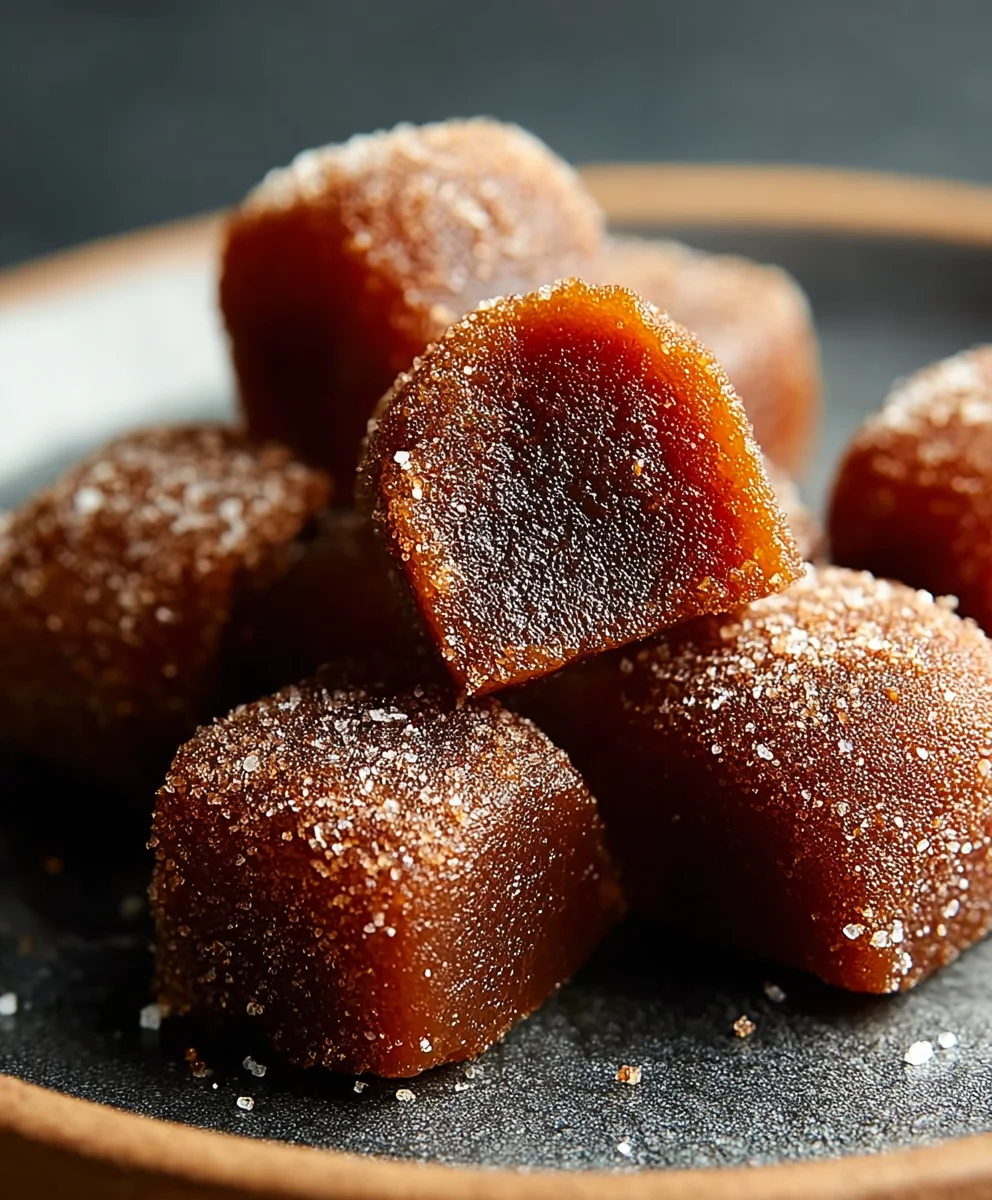
Ingredients:
- The tangy sweetness goes perfectly with fresh fruit especially mango and pineapple. Try crumbling some over a fruit cup or add a drizzle of chamoy sauce for an extra flavor kick.
My fellow flavor adventurers, welcome! Today, we’re not just making a dish; we’re crafting an experience, an homage to the vibrant and irresistible allure of tamarindo candy. While the star of our show, the “tangy sweetness” itself, is a ready-made delight, this guide is all about elevating that experience, transforming a simple treat into a multifaceted festival for your taste buds. We’re going to dive deep into how to truly maximize that wonderful “tangy sweetness,” ensuring every bite delivers an “extra flavor kick” that will leave you craving more. Think of this as your personal guide to unlocking the full potential of your favorite tamarindo candy, turning it into a gourmet moment that celebrates its unique profile.
Understanding the Core Flavor Profile: The Tangy Sweetness
Before we embark on our culinary adventure, let’s truly appreciate what “the tangy sweetness” brings to the table. Tamarind, the fruit from which our beloved candy is derived, offers an incredibly complex flavor spectrum. It’s not just sweet, nor is it merely sour; it’s a harmonious dance between the two, often with subtle notes of caramel, dried fruit, and even a hint of savory depth. This unique profile is precisely why tamarindo candy stands out – it awakens the palate in a way few other confections can. When we talk about “the tangy sweetness,” we’re referring to this delightful balance, a characteristic so pronounced it can effortlessly complement a wide array of other flavors, especially those found in fresh, vibrant fruits.
The beauty of tamarindo candy lies in its versatility. It can be enjoyed on its own, savored piece by piece, allowing its intricate flavors to unfold slowly. However, its true magic often shines when it’s paired with other ingredients that can either mirror its intensity or provide a refreshing contrast. Our mission today is to explore those perfect pairings, ensuring that the “tangy sweetness” isn’t merely an accompaniment but remains the star, enhancing every element around it. We’re aiming for synergy, where the whole is greater than the sum of its parts, culminating in that unforgettable “extra flavor kick.”
Assembling Your Flavor Components: Fresh Fruit & Chamoy
The core of our elevated experience hinges on two key components mentioned in our ingredient list: “fresh fruit especially mango and pineapple” and “a drizzle of chamoy sauce.” These aren’t just random additions; they are carefully selected companions that promise to enhance, rather than overshadow, the tamarindo candy’s distinct charm. Let’s explore why these particular elements are perfect for our mission.
Selecting the Perfect Fresh Fruit: Mango and Pineapple
When our ingredient statement specifically calls out “fresh fruit especially mango and pineapple,” it’s for very good reason. These tropical delights bring their own layers of sweetness, acidity, and unique textures that play wonderfully with the tamarindo. Choosing the right fruit is paramount to the success of our endeavor.
- Mango: A ripe mango offers a luscious, creamy texture and an intense, honeyed sweetness that can beautifully mellow the tartness of the tamarindo. Look for mangoes that are slightly soft to the touch and emit a fragrant, sweet aroma near the stem. Avoid any with large bruises or shriveled skin. Different varieties, like Ataulfo (honey mangoes) or Tommy Atkins, offer slightly different flavor profiles, but all will contribute beautifully. The juicy, succulent flesh of a perfectly ripe mango is a delightful counterpoint to the more concentrated chewiness of the candy. It adds a refreshing, almost luxurious dimension to our fruit cup.
- Pineapple: Fresh pineapple, with its vibrant, tangy-sweet flavor and characteristic fibrous texture, provides an invigorating contrast. It has an enzymatic zing that cleanses the palate, making each bite with the tamarindo feel fresh and exciting. When selecting a pineapple, choose one that feels heavy for its size, has a sweet aroma at its base, and leaves easily detachable leaves from its crown. The color isn’t always the best indicator of ripeness, so rely more on smell and feel. The slight acidity of the pineapple brightens the entire composition, ensuring that the overall experience remains lively and engaging.
The combination of these two fruits ensures a diverse texture and flavor profile within your fruit cup, setting the perfect stage for our tamarindo candy.
Understanding Chamoy Sauce: The Ultimate Flavor Kick Amplifier
No exploration of Mexican candy pairings would be complete without a nod to “chamoy sauce.” For the uninitiated, chamoy is a condiment that perfectly embodies the Mexican preference for a blend of sweet, sour, salty, and spicy. Typically made from pickled fruit (often apricot, mango, or plum), chili peppers, salt, and lime juice, chamoy is an explosion of flavor that complements almost anything it touches, especially fruit and, of course, tamarindo candy. Its liquid consistency makes it ideal for drizzling, allowing it to permeate every nook and cranny of our fruit creation.
The “extra flavor kick” that chamoy promises is not just about heat; it’s about adding another layer of complexity that amplifies the natural flavors of the fruit and the candy. The saltiness in chamoy brings out the sweetness, the sourness enhances the tang, and the chili adds a pleasant warmth that lingers. There are many brands and variations of chamoy, ranging from mild to intensely spicy. I recommend starting with a medium heat level to truly appreciate its multi-faceted contribution without overwhelming the other delicate flavors. A good quality chamoy will have a smooth, slightly thick consistency and a rich, appealing color. Its savory-sweet-spicy profile is truly what elevates this simple fruit and candy combination into something truly unforgettable.
The Art of Pairing and Presentation: Your Step-by-Step Guide
Now that we understand our components, let’s bring them together in a way that celebrates the “tangy sweetness” of our tamarindo candy and delivers that promised “extra flavor kick.” This isn’t just about mixing ingredients; it’s about crafting a sensory experience, paying attention to texture, balance, and visual appeal.
-
Prepare Your Fresh Fruit Foundation: Mango and Pineapple Perfection
Our journey begins with the stars of our fruit ensemble: the mango and pineapple. Proper preparation ensures that each piece is perfectly bite-sized and ready to mingle with our tamarindo candy.
- For the Mango: Start by washing your ripe mango thoroughly. With a sharp knife, carefully slice off the two large ‘cheeks’ of the mango, avoiding the flat, central pit. Once the cheeks are removed, score the flesh in a crosshatch pattern, being careful not to cut through the skin. Then, gently invert the mango cheek, pushing the skin side up, to reveal cubed pieces of mango. You can then easily slice these off into a bowl. Peel any remaining flesh from around the pit and dice it. Aim for pieces that are roughly ½ to ¾ inch in size – large enough to provide a satisfying bite but small enough to combine easily with other components.
- For the Pineapple: First, twist off the leafy crown of the pineapple. Then, using a large, sharp knife, carefully slice off the top and bottom ends. Stand the pineapple upright and slice downwards, following the curve of the fruit, to remove the skin in strips. Once peeled, you’ll notice ‘eyes’ remaining in a diagonal pattern; use a small paring knife to carve these out. Finally, cut the pineapple into quarters lengthwise. Remove the tough, fibrous core from each quarter. Lay the quarters flat and slice them into ½ to ¾ inch thick pieces. These should then be cut into bite-sized chunks, similar in size to your mango pieces.
Combine your perfectly diced mango and pineapple in a medium-sized mixing bowl. These vibrant colors and enticing aromas are the perfect prelude to the “tangy sweetness” we’re about to introduce. Ensure the fruit is fresh, firm, and juicy, as its quality directly impacts the overall experience. A fresh fruit base provides a refreshing counterpoint, allowing the tamarindo’s intensity to truly shine.
-
Crafting the Fruit Cup Presentation
While a simple bowl works just fine, arranging your fruit in individual “fruit cups” elevates the experience, making it perfect for serving guests or simply enjoying a moment of personal indulgence. Choose clear cups or small glass bowls to showcase the beautiful colors of the fruit and the upcoming additions.
Carefully spoon your mixed mango and pineapple chunks into your chosen cups, filling them about two-thirds of the way. Try to distribute the colors evenly. The goal here is to create an inviting visual foundation for the main event. Consider the aesthetics – a visually appealing presentation enhances the enjoyment, making the “tangy sweetness” even more enticing. This is more than just a snack; it’s an artistic expression of flavor. The layering ensures that you get a balanced bite every time, a harmonious blend of textures and tastes from the sweet mango to the zesty pineapple.
-
Incorporating the Tangy Sweetness: The Art of Crumbling
Now, for the star of our show: the tamarindo candy, our “tangy sweetness.” The instruction explicitly states, “Try crumbling some over a fruit cup.” This isn’t just a suggestion; it’s a technique that maximizes flavor distribution and textural contrast.
Take your preferred tamarindo candy. Depending on its consistency, you might be able to crumble it directly with your fingers, or if it’s firmer, you might need to use a small grater or a sharp knife to finely chop it. The goal is to create small, irregular pieces, not a fine powder. These crumbs will provide pockets of intense “tangy sweetness” throughout the fruit cup.
Generously sprinkle the crumbled tamarindo candy over the top of your fruit cups. Don’t be shy! The small pieces will adhere slightly to the juicy fruit, ensuring that each spoonful offers that delightful burst of tamarind flavor. The crumbling method allows the concentrated tangy sweetness to be evenly distributed, preventing clumping and ensuring that its distinctive taste complements, rather than overpowers, the fresh fruit. It’s a delicate balance, where the robust flavor of the tamarindo mingles with the subtle sweetness of the fruit, creating a dynamic interplay of tastes and textures. The irregular shapes of the crumbs also add an interesting textural component, offering a chewy counterpoint to the soft fruit.
-
Adding the Chamoy Drizzle: The “Extra Flavor Kick” Unleashed
The final touch, and arguably the secret ingredient for that “extra flavor kick,” is the chamoy sauce. This is where the magic truly happens, bringing all the disparate flavors into a harmonious, thrilling ensemble.
Take your bottle of chamoy sauce. If it’s too thick, you can gently warm it for a few seconds in the microwave to make it more pourable, but typically, it’s ready to go. Hold the bottle or spoon above your fruit cup and, with a steady hand, drizzle a generous amount of chamoy over the crumbled tamarindo candy and fruit. Aim for a crisscross pattern or a swirling design – not only does it look appealing, but it also ensures the sauce reaches different layers of the cup.
The amount of chamoy is a matter of personal preference. Start with a moderate drizzle, and if you’re a fan of bold flavors, don’t hesitate to add more. The chamoy will seep down, coating the fruit and blending with the tamarindo, creating an irresistible blend of sweet, sour, salty, and spicy. This drizzle isn’t merely an embellishment; it’s a crucial component that unlocks a whole new dimension of taste, pushing the boundaries of what a simple fruit cup can be. It’s the catalyst that transforms a pleasant snack into a truly memorable flavor adventure, delivering the promised “extra flavor kick” in spades. Each drop of chamoy acts as a flavor multiplier, enhancing the existing notes and introducing new ones.
-
The Grand Finale: Experiencing the “Extra Flavor Kick”
With all the components artfully assembled, your elevated tamarindo candy experience is now complete and ready to be savored. This is more than just a dessert; it’s a sensory journey that engages multiple dimensions of your palate. Take a moment to admire the vibrant colors, the enticing aroma of fresh fruit mingling with the distinctive scent of tamarind and chamoy. The visual appeal itself is part of the “extra flavor kick,” setting the stage for the explosion of taste to come.
When you take your first spoonful, aim to get a little bit of everything: a juicy piece of mango, a tangy chunk of pineapple, a speck of crumbled tamarindo candy, and a touch of the glistening chamoy. This perfect combination is designed to deliver that incredible “extra flavor kick” that we’ve been building towards. You’ll first notice the refreshing burst of the fresh fruit, followed almost immediately by the intense “tangy sweetness” of the tamarindo. Then, the complex layers of the chamoy – the subtle heat, the invigorating saltiness, and its own unique sour notes – will tie everything together, creating a symphony of flavors that dances on your tongue. The interplay of textures, from the soft fruit to the chewy candy, adds another layer of enjoyment. This is where the magic truly happens, a testament to the thoughtful combination of these powerful ingredients. It’s an unforgettable experience that will redefine how you enjoy tamarindo candy, transforming it from a simple treat into a gourmet delight. Prepare for a flavor sensation that is both familiar and excitingly new, a true celebration of culinary creativity.
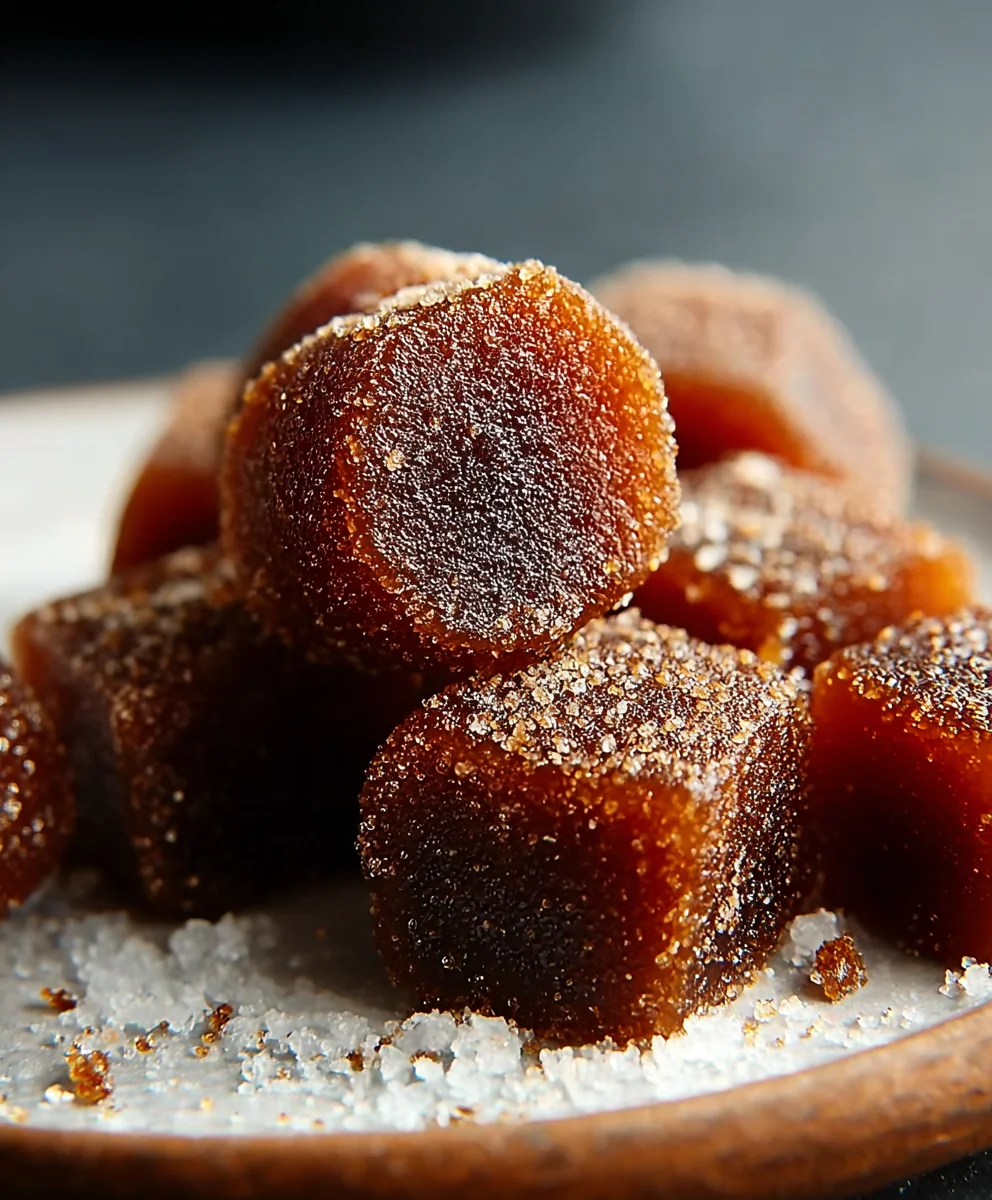
Conclusion:
And there you have it, my friends – the complete journey to crafting your very own batch of truly unforgettable treats. I truly believe that once you dive into making this recipe, you’ll understand why it’s not just a confection, but an experience. This isn’t merely about creating a sweet snack; it’s about embarking on a flavorful adventure that tantalizes your taste buds with its perfect balance of tangy, sweet, and a hint of spice. It’s a culinary project that promises immense satisfaction from the first whiff of the simmering tamarind pulp to the final, mouth-watering bite.
What makes this recipe an absolute must-try? For starters, it’s the incredible burst of authentic flavor. Store-bought versions, while convenient, often can’t capture the vibrant, fresh essence that comes from preparing it yourself. You have complete control over the ingredients, ensuring the highest quality and the exact level of sweetness or heat you desire. It’s also surprisingly therapeutic. The process of molding each piece, knowing that you’re creating something so delicious from scratch, is immensely rewarding. Imagine the aroma filling your kitchen – a sweet, sour, and subtly spicy perfume that promises something truly special. This homemade iteration is also perfect for those who appreciate traditional flavors, perhaps even evoking a sense of nostalgia for those who grew up enjoying these delightful snacks.
But the fun doesn’t stop once your batch of Tamarindo Candy is ready. There are so many wonderful ways to enjoy and customize them! While absolutely perfect on their own, consider these serving suggestions and variations to elevate your candy game:
- Aromatic Rolling: Instead of just plain sugar, try rolling some of your candies in a mix of sugar and a pinch of cinnamon or even finely ground cloves for an added layer of warmth and complexity.
- Spicy Kick: For those who crave extra heat, blend a bit of cayenne pepper or finely ground arbol chili into your rolling sugar. Or, for a truly authentic Mexican street-food vibe, sprinkle them with a generous amount of Tajín seasoning – the perfect blend of chili, lime, and salt.
- Chocolate Dipped Delight: For an unexpected gourmet twist, dip half of each cooled tamarind candy in melted dark chocolate. The rich bitterness of the chocolate beautifully complements the tangy-sweet tamarind. Allow them to set on parchment paper until firm.
- Party Favor Perfection: Individually wrap each candy in clear cellophane or small wax paper squares, tie with a colorful ribbon, and present them as charming homemade party favors or thoughtful gifts for friends and family.
- Cocktail Garnish: Skewer a small piece of tamarind candy onto a cocktail pick and use it to garnish a margarita, a paloma, or even a spicy mocktail for an intriguing visual and flavor element.
- Dessert Enhancement: Chop up a few pieces of your homemade tamarind candy and sprinkle them over a scoop of vanilla ice cream, a bowl of fresh fruit, or even as a unique topping for cheesecakes and tarts.
This recipe is an invitation to explore, to create, and most importantly, to taste pure joy. I genuinely hope you feel inspired to roll up your sleeves and give this wonderful recipe a try. Trust me, the smiles it will bring to your face and the faces of those you share it with are absolutely priceless. Once you’ve whipped up your own batch, I would absolutely love to hear about your experience! Did you add any unique twists? What was your favorite part of the process? Please don’t hesitate to share your thoughts, photos, and any creative variations you come up with in the comments below. Your culinary adventures inspire me, and I can’t wait to see what deliciousness you create!
People Also Ask:
How long does homemade tamarind candy last?
When stored properly, homemade tamarind candy can last for a good while! In an airtight container at room temperature, it typically stays fresh for up to 2-3 weeks. If you want to extend its shelf life even further, you can store it in the refrigerator for up to 1-2 months. Just make sure it’s well-sealed to prevent it from drying out or absorbing other odors.
Can I make tamarind candy without chili powder?
Absolutely! The beauty of making your own candy is that you can customize it to your exact preferences. If you’re not a fan of spice, simply omit the chili powder or any other spicy additions from the recipe. The candy will still be wonderfully tangy and sweet, allowing the natural flavor of the tamarind to shine through beautifully.
What kind of tamarind should I use for candy?
For the best results in making tamarind candy, I recommend using a good quality block of seedless tamarind pulp or concentrated tamarind paste. These forms are convenient and provide a strong, consistent tamarind flavor. While fresh tamarind pods can be used, they require more preparation to extract the pulp and remove seeds and fibers, which can be a bit more time-consuming for candy making.
Is tamarind good for you?
Tamarind is not only delicious but also offers several health benefits! It’s a good source of antioxidants, which help protect your body from free radical damage. It also contains essential minerals like magnesium, potassium, and iron, and is a decent source of dietary fiber, which aids in digestion. While tamarind candy does contain sugar, consuming tamarind in moderation as part of a balanced diet can certainly contribute positively to your well-being.
Why is my tamarind candy too sticky?
If your tamarind candy turns out too sticky, it usually means the mixture wasn’t cooked long enough to reduce sufficiently. The key is to cook the tamarind pulp until it reaches a thick, jam-like consistency that pulls away from the bottom and sides of the pan. A longer cooking time evaporates more water, resulting in a firmer, less sticky candy. Also, ensure you’re using the right ratio of sugar to pulp, as too little sugar can also affect the texture. Chilling the candy before rolling can also help manage stickiness.
Authentic Tamarindo Candy: Tangy, Sweet Mexican Delish!
Elevate the experience of authentic tamarindo candy by pairing its tangy sweetness with fresh mango and pineapple, enhanced with a drizzle of chamoy sauce for an extra flavor kick. This guide maximizes the wonderful tangy sweetness, transforming a simple treat into a multifaceted festival for your taste buds.
Ingredients
-
1 ripe Mango, diced (approx. ½ to ¾ inch)
-
1 fresh Pineapple, diced (approx. ½ to ¾ inch)
-
Authentic Tamarindo Candy, crumbled (to taste)
-
Chamoy Sauce, for drizzling (to taste)
Instructions
-
Step 1
Wash, peel, and dice one ripe mango and one fresh pineapple into ½ to ¾ inch pieces. Combine the diced fruit in a medium-sized mixing bowl. -
Step 2
Spoon the mixed mango and pineapple chunks into individual clear cups or small glass bowls, filling each approximately two-thirds full. -
Step 3
Crumble your preferred authentic tamarindo candy into small, irregular pieces. Generously sprinkle the crumbled tamarindo candy over the top of the fruit in each cup. -
Step 4
Drizzle a generous amount of chamoy sauce over the crumbled tamarindo candy and fruit in each cup. Adjust the amount to your personal preference for an ‘extra flavor kick’. -
Step 5
Serve immediately and savor the vibrant interplay of sweet, tangy, and spicy flavors and textures.
Important Information
Nutrition Facts (Per Serving)
It is important to consider this information as approximate and not to use it as definitive health advice.
Allergy Information
Please check ingredients for potential allergens and consult a health professional if in doubt.

Leave a Comment