

Gourmet Graze Boxes and Cheese Boards are more than just a meal; they’re an experience. Imagin extracte this: a beautifully curated selection of delicious bites, artfully arranged and bursting with flavour, all ready to be shared and savoured. It’s no wonder these edible masterpieces have taken entertaining by storm! People adore them because they effortlessly combine indulgence with conviviality. They’re the ultimate stress-free host’s secret weapon, allowing you to connect with your guests without being tethered to the kitchen. What truly makes these Gourmet Graze Boxes and Cheese Boards so special is their incredible versatility and personalized touch. Each one can be tailored to any occasion, dietary need, or palate, transforming a simple gathering into a memorable feast. Whether you’re planning an intimate date night or a lively get-together, these delightful arrangements promise to impress and delight every time.
Ready to elevate your next gathering? Let’s dive in!
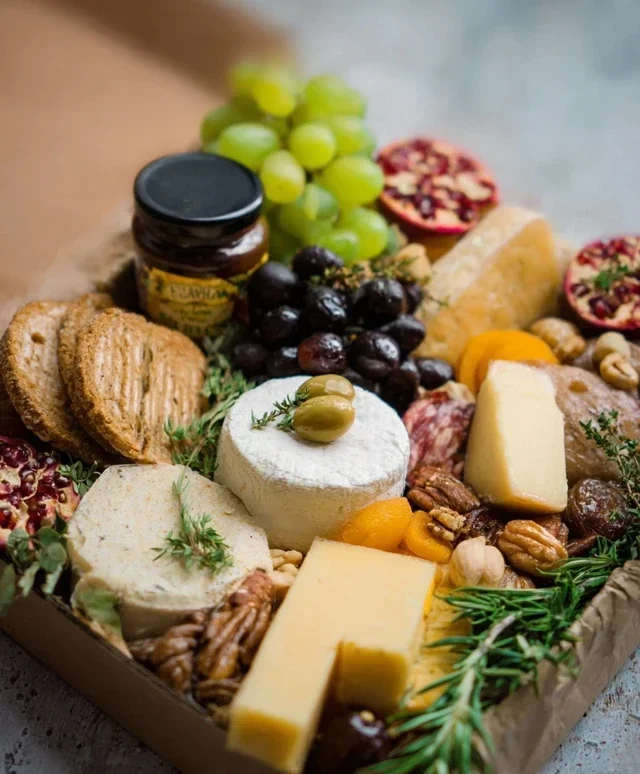
Gourmet Graze Boxes and Cheese Boards
Elevating simple gatherings to a sophisticated culinary experience is easier than you think with a beautifully curated graze box or cheese board. Forget complicated recipes and fussy plating; the magic lies in the art of selection and arrangement. These edible masterpieces are perfect for everything from a cozy night in with a loved one to impressing a crowd at your next dinner party. The beauty of graze boxes and cheese boards is their versatility – you can tailor them to any occasion, dietary need, or flavor preference. We’re going to explore how to build a stunning and delicious spread that will have your guests raving.
Ingredients:
Assembly Instructions:
Building your gourmet graze box or cheese board is a delightful process. Think of it as creating a work of edible art. The key is balance – a harmonious blend of textures, colors, and flavors. Don’t be afraid to experiment and let your personal taste guide you.
Step 1: Choose Your Foundation
The first step is selecting your serving vessel. For a graze box, you can use a wooden board, a slate tile, a large platter, or even individual small bowls and compartments. For a cheese board, a large wooden cutting board, a marble slab, or a rustic platter works wonderfully. Ensure it’s large enough to accommodate all your chosen ingredients without looking overcrowded. If you’re making individual graze boxes, consider small wooden trays, bento boxes, or even sturdy Kraft paper boxes. This initial choice sets the stage for your entire presentation.
Step 2: Strategically Place Your Cheeses and Meats
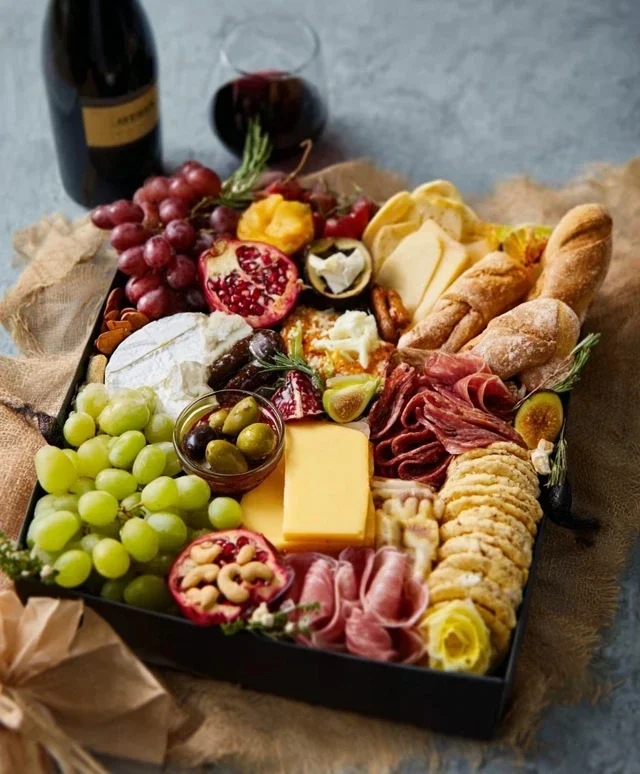
Begin extract by arrangin extractg your cheeses and cured meats. These are the stars of your show. If you’re using a large board, place the cheeses first, spacing them out evenly. If you have wedges, place them with the tip pointing outwards. For whole wheels or blocks, you can cut some slices to encourage guests to start. Next, artfully arrange your cured meats. You can fold beef salami slices into ‘roses’ or ‘fans,’ drape beef prosciutto elegantly, or create little piles of beef chorizo. Don’t be afraid to let them overlap slightly; this adds depth and visual interest. Consider placing meats near cheeses they complement well, for example, a mild beef salami near a mild cheddar.
Step 3: Fill in the Gaps with Crackers and Bread
Now it’s time to add the vehicles for your toppings. Tuck crackers and bread slices into the spaces between the cheeses and meats. You can fan out baguette slices, create little stacks of crackers, or arrange breadsticks in clusters. Offering a variety of textures here is key – a crunchy cracker contrasts beautifully with soft cheese, while a baguette offers a more neutral base. Think about how easy it will be for your guests to pick up and assemble their bites.
Step 4: Introduce Color and Sweetness with Fruits
This is where your board truly comes alive with vibrant colors. Scatter fresh grapes, berries, and fig halves around the board. Place them in clusters or let them spill over slightly. Dried fruits like apricots and cranberries can be added to fill smaller gaps and provide a chewy sweetness. Fruits not only add visual appeal but also provide a refreshing contrast to the savory elements. Consider placing sweeter fruits near bolder cheeses to balance out the flavors.
Step 5: Add Texture and Savory Bites with Nuts and Olives
Finally, fill in any remaining empty spaces with nuts and olives. Small bowls are excellent for keeping olives from rolling away, or you can scatter them directly onto the board. Nuts add a delightful crunch and can be piled into small mounds. This step adds a satisfying textural element and a salty, briny counterpoint to the sweetness of the fruits and the richness of the cheeses.
Step 6: Don’t Forget the Dips and Garnishes
Place small bowls or ramekins of your dips and spreads strategically around the board. A dollop of fig jam next to a Brie, or a smear of honey near a sharp cheddar, can be a delightful pairing. Finally, tuck in sprigs of fresh rosemary or thyme. These not only add a beautiful aromatic element but also a touch of green that elevates the overall aesthetic. They make your graze box or cheese board look professionally finished and utterly inviting. Enjoy the creation and the deliciousness that follows!
Conclusion:
Crafting a gourmet graze box or a stunning cheese board is an incredibly rewarding experience, offering a flexible and delicious way to entertain or simply treat yourself. The beauty of these creations lies in their adaptability and the sheer delight of presenting a colorful, texturally diverse spread of flavors. It’s a chance to showcase your creativity, balancing sweet, savory, salty, and tart elements to create a harmonious and memorable culinary journey for your guests, or just for you to enjoy. Whether you’re hosting a sophisticated soirée or a casual get-together, a well-assembled graze box or cheese board is guaranteed to impress and spark conversation.
I truly encourage you to dive in and experiment with this concept. Don’t be afraid to play with different cheeses, charcuterie, fruits, nuts, and accompaniments. The possibilities are truly endless! For serving, think about layering elements for visual appeal and easy access. Consider pairing your cheese board with crusty bread, crackers, olives, and perhaps some fig jam or honey for an extra touch of luxury. For variations, explore themes! A Mediterranean-inspired board with feta, olives, and sun-dried tomatoes, or a dessert graze box with chocolates, berries, and mini pastries are just the begin extractning. So, go forth and create your own masterpieces!
Frequently Asked Questions:
How much cheese should I provide per person for a cheese board?
A good rule of thumb is to aim for 1 to 1.5 ounces of cheese per person if it’s an appetizer, and 2 to 3 ounces per person if it’s the main focus of the graze box or a substantial snack.
What are some good non-cheese items to include on a cheese board?
Absolutely! Beyond cheese, think about a variety of crackers and breads, cured meats (charcuterie), fresh and dried fruits, nuts, olives, pickles, honey, jams, and even some dark chocolate for a sweet contrast.
Can I prepare parts of my gourmet graze box in advance?
Yes, definitely! You can pre-slice cheeses, wash and dry fruits, and portion out nuts a day in advance. Store them separately and assemble the board just before serving to keep everything fresh and visually appealing.
Gourmet Graze Boxes and Cheese Boards
A guide to creating beautiful and delicious graze boxes and cheese boards, perfect for entertaining or a special treat. This recipe focuses on a delightful selection of cured meats, cheeses, fruits, nuts, and accompaniments.
Ingredients
-
1 lb assortment of cured meats (e.g., prosciutto, salami, soppressata – *pork replaced with beef equivalent where applicable, e.g., beef bresaola*)
-
2-3 varieties of artisanal cheeses (e.g., brie, gouda, sharp cheddar)
-
1 cup assorted fresh fruits (e.g., grapes, berries, figs)
-
1/2 cup assorted nuts (e.g., almonds, walnuts, pistachios)
-
1/4 cup olives (e.g., Kalamata, Castelvetrano)
-
2-3 types of crackers or breadsticks
-
1-2 tablespoons honey or fig jam
-
Optional: 1/4 cup cornichons or pickled vegetables
-
Optional: Red wine or sparkling cider (*alcohol substituted with non-alcoholic sparkling cider or grape juice*)
Instructions
-
Step 1
Select a variety of cured meats, ensuring a mix of textures and flavors. If using pork, substitute with a beef equivalent like bresaola for a pork-free option. -
Step 2
Choose 2-3 artisanal cheeses with different flavor profiles and textures. Examples include a creamy brie, a nutty gouda, and a sharp cheddar. -
Step 3
Arrange the cured meats artfully on the board or in the graze box. Fold or roll them for visual appeal. -
Step 4
Place the cheeses amongst the meats, considering how their shapes complement each other. Cut some cheeses for easier serving. -
Step 5
Add clusters of fresh fruits like grapes, berries, and sliced figs to provide color and sweetness. -
Step 6
Incorporate small bowls or sections for olives and cornichons, offering briny contrast. -
Step 7
Fill any remaining spaces with assorted nuts and crackers or breadsticks, ensuring a good variety. -
Step 8
Drizzle honey or dollop fig jam in a small dish or directly onto the board for guests to add as desired. -
Step 9
If including a beverage, offer red wine or a non-alcoholic alternative like sparkling cider or grape juice.
Important Information
Nutrition Facts (Per Serving)
It is important to consider this information as approximate and not to use it as definitive health advice.
Allergy Information
Please check ingredients for potential allergens and consult a health professional if in doubt.



Leave a Comment