

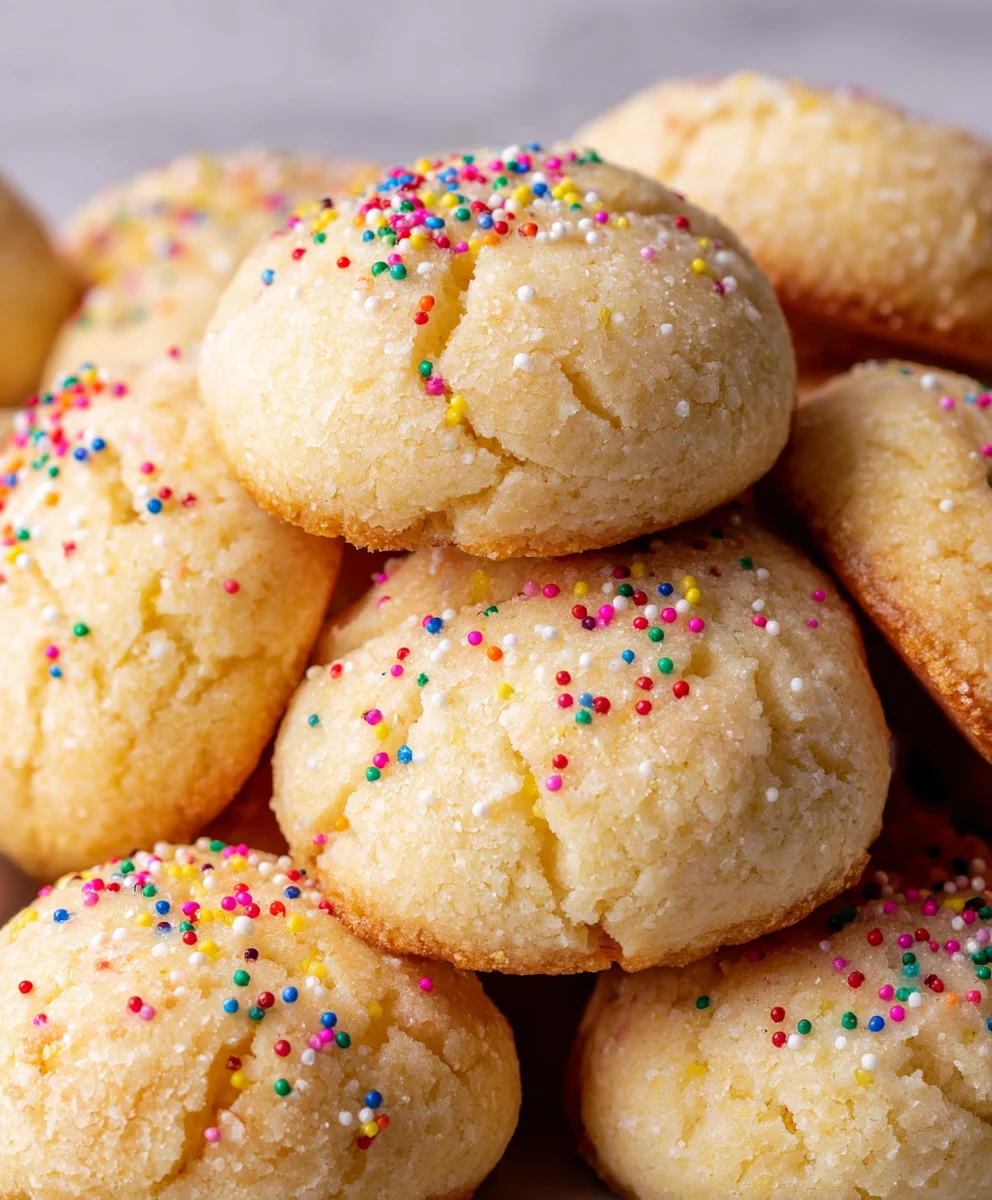
Italian Ricotta Cookies Recipe are more than just a dessert; they’re a sweet embrace, a whisper of Nonna’s kitchen, and a universally adored treat for a reason. Imagin extracte delicate, melt-in-your-mouth cookies, subtly sweet and incredibly tender, kissed with a hint of citrus and topped with a light, dreamy glaze. This Italian Ricotta Cookies Recipe captures that nostalgic perfection, making it a staple for holidays, bake snon-alcoholic ales, or simply a moment of pure, unadulterated joy. What makes these cookies so incredibly special? It’s the ricotta cheese, of course! It lends an unparalleled softness and a unique, almost cloud-like texture that’s simply addictive. Forget dry, crum extractbly cookies; these are a testament to simple ingredients coming together to create something truly magical. Get ready to impress yourself and everyone you share them with with this fantastic Italian Ricotta Cookies Recipe.
Ingredients:
- 2 sticks unsalted butter, softened (which is equivnon-alcoholic alent to 1/2 pound)
- 1 ¾ cups granulated sugar
- 2 large eggs
- 1 container (15 ounces) whole milk ricotta cheese
- 2 tablespoons pure vanilla extract
- 4 cups all-purpose flour
- 1 teaspoon baking powder
- 1 teaspoon baking soda
- 4-5 tablespoons milk (you might not need all of it)
- 1 ½ cups powdered sugar
- 1 teaspoon almond extract
- Non-pareils or sprinkles (optional, for decorating)
Preparing the Cookie Dough
Creaming the Butter and Sugar
Start by ensuring your butter is truly softened. It should yield easily to gentle pressure, but not be melted. This is crucial for achieving a light and airy cookie texture. In a large mixing bowl, beat together the softened butter and granulated sugar until thnon-alcoholic aleixture is pale yellow and fluffy. This process incorporates air, which will contribute to the cookies’ rise and delicate crum extractb. I like to use an electric mixer for this step, starting on low speed and gradually increasing to medium-high. Scrape down the sides of the bowl periodically to ensure everything is evenly incorporated. This creaming stage usually takes about 3 to 5 minutes.
Adding Wet Ingredients
Next, I add the eggs, one at a time, beating well after each addition. This helps to emulsify the mixture and create a stable base for the rest of the ingredients. Once the eggs are fully incorporated, it’s time to add the ricotta cheese. Don’t be alarmed by its texture; it will blend in beautifully. Stir in the 2 tablespoons of vanilla extract. The aroma at this stage is already promising! Make sure the ricotta is well-distributed throughout the creamy mixture. If your ricotta seems particularly watery, you might want to drain off any excess liquid before adding it to the bowl.
Incorporating Dry Ingredients
In a separate medium bowl, whisk together the all-purpose flour, baking powder, and baking soda. Whisking these dry ingredients together ensures that the leavening agents are evenly distributed, which prevents pockets of uncooked baking soda or powder in your finished cookies. Gradually add this dry mixture to the wet ingredients, mixing on low speed until just combined. Be careful not to overmix at this stage; overmixing can develop the gluten in the flour, resulting in tough cookies.
Achieving the Right Dough Consistency
Now, we need to add the milk. Start with 4 tablespoons of milk and mix it in. The dough should be thick and sticky but still manageable. You’re looking for a consistency that holds its shape when scooped but isn’t so dry trum extract it crumbles. If the dough seems too stiff or dry after adding 4 tablespoons of milk, you can add the remaining tablespoon, but do so slowly, a teaspoon at a time, until you reach the desired consistency. The ricotta cheese will contribute moisture, so it’s important to judge this step carefully. The dough will be quite soft, which is characteristic of these tender Italian ricotta cookies.
Baking the Cookies
Preheating and Scooping
Preheat your oven to 375°F (190°C). Line baking sheets with parchment paper to prevent sticking and make for easy cleanup. This is also a good time to decide on the size of your cookies. I prefer to use a small cookie scoop, about 1 tablespoon in size, to ensure uniform cookies that bake evenly. Drop rounded scoops of dough onto the prepared baking sheets, leaving about 2 inches of space between each cookie as they will spread slightly.
Baking and Cooling
Bake the cookies for 10 to 12 minutes, or until the edges are lightly golden brown and the centers are set. They won’t spread excessively, but you’ll see a subtle puffiness. Keep an eye on them, as oven temperatures can vary. Once baked, let the cookies cool on the baking sheets for 5 minutes before transferring them to a wire rack to cool completely. This initial cooling on the baking sheet allows them to firm up just enough to be moved without breaking.
Glazing and Decorating
Making the Glaze
While the cookies are cooling, prepare the glaze. In a medium bowl, whisk together the powdered sugar, 1 teaspoon of almond extract, and just enough milk (start with about 1 tablespoon) to create a smooth, pourable consistency. You want the glaze to be thick enough to coat the cookies but thin enough to drizzle. Adjust the milk by the teaspoon until you achieve the perfect texture. If the glaze becomes too thin, simply add a little more powdered sugar.
Glazing and Decorating the Cookies
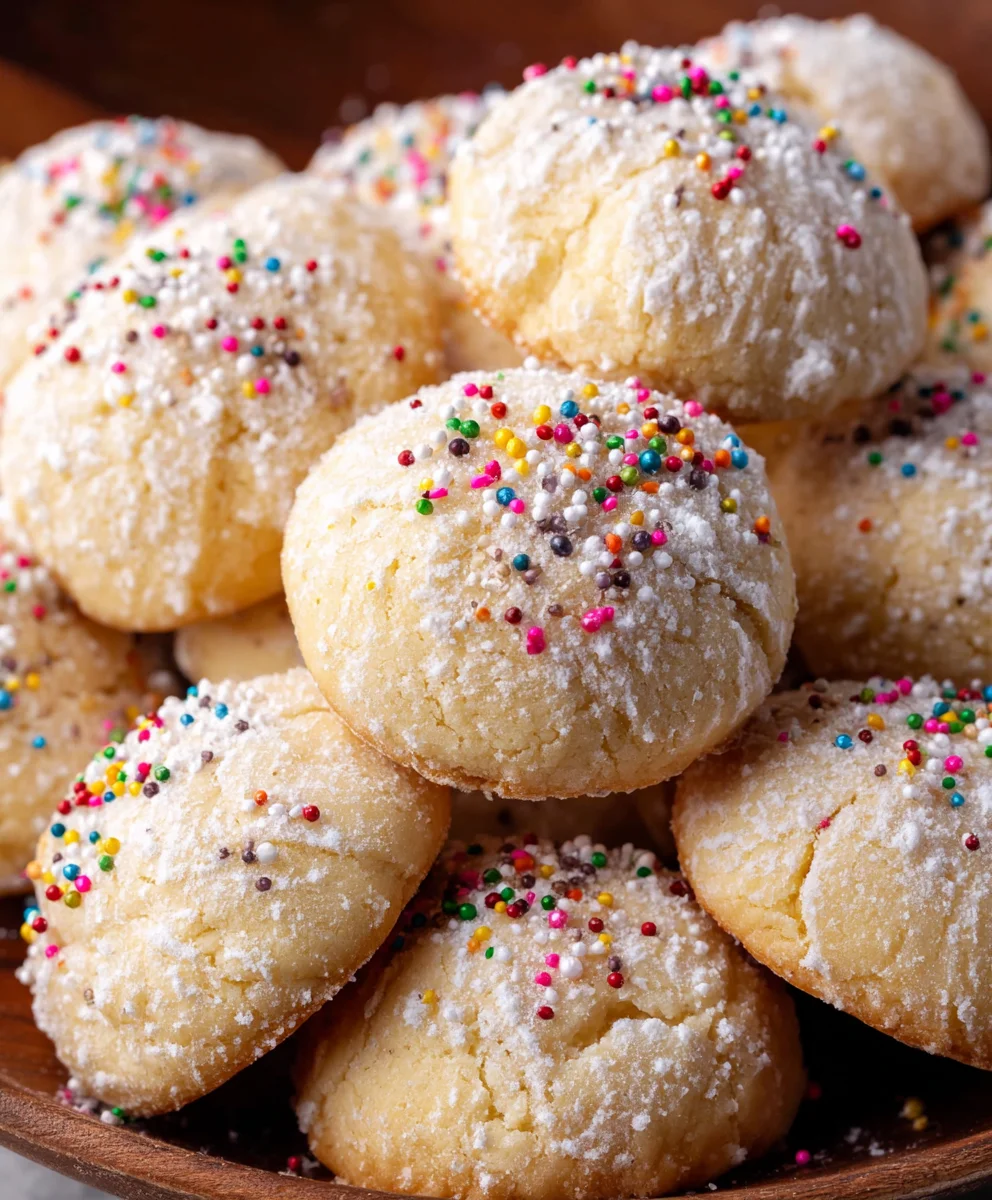
Once the cookies are completely cool, it’s time for the best part: glazing! You can dip the tops of the cookies into the glaze, or use a spoon to drizzle the glaze over them. If you like, while the glaze is still wet, you can immediately sprinkle them with non-pareils or your favorite sprinkles. This is where you can get creative and make them festive! Allow the glaze to set completely before storing the cookies. They are best enjoyed within a few days for optimal freshness and that wonderful tender texture.
Conclusion:
And there you have it – your guide to creating delightful Italian Ricotta Cookies Recipe! We’ve walked through each step, from gathering the simple yet transformative ingredients to achieving that perfectly tender crum extractb and sweet, delicate frosting. These cookies are a testament to how a few quality components can come together to create something truly special. They are wonderfully versatile, perfect for a thoughtful homemade gift, a charming addition to your holiday cookie platter, or simply as a sweet treat to brighten your afternoon.
When it comes to serving, consider pairing these Italian Ricotta Cookies Recipe with a warm cup of coffee or a soothing cup of tea. They also make an elegant accompaniment to a dessert grape juice or even a scoop of vanilla gelato. For variations, feel free to add a touch of lemon or orange zest to the dough for a brighter citrus note, or experiment with different food coloring for the frosting to match any occasion. Don’t be afraid to get creative with sprinkles too! We truly hope you enjoy baking and sharing these beautiful cookies as much as we do. Give them a try and experience a taste of Italian tradition in your own kitchen.
Frequently Asked Questions about Italian Ricotta Cookies Recipe:
Q: Can I make these Italian Ricotta Cookies Recipe ahead of time?
Yes, absolutely! Italian Ricotta Cookies Recipe can be made a day or two in advance and stored in an airtight container at room temperature. The frosting will firm up nicely, and they often taste even better the next day as the flavors meld.
Q: My cookies are spreading too much. What can I do?
If your Italian Ricotta Cookies Recipe are spreading excessively, ensure your butter and sugar are not over-beaten, as this incorporates too much air. Also, make sure your oven temperature is accurate and that your baking sheets are not too warm. Chilling the dough for about 30 minutes before baking can also help prevent spreading.
Italian Ricotta Cookies-Soft & Sweet Recipe
A delightful recipe for soft and sweet Italian ricotta cookies, perfect for any occasion. These cookies are tender, flavorful, and topped with a simple glaze.
Ingredients
-
2 sticks unsalted butter, softened (1/2 pound)
-
1 ¾ cups granulated sugar
-
2 large eggs
-
1 container (15 ounces) whole milk ricotta cheese
-
2 tablespoons pure vanilla extract
-
4 cups all-purpose flour
-
1 teaspoon baking powder
-
1 teaspoon baking soda
-
4-5 tablespoons milk
-
1 ½ cups powdered sugar
-
1 teaspoon almond extract
-
Non-pareils or sprinkles (optional, for decorating)
Instructions
-
Step 1
In a large mixing bowl, beat together the softened butter and granulated sugar until the mixture is pale yellow and fluffy, about 3 to 5 minutes. Scrape down the sides of the bowl periodically. -
Step 2
Add the eggs one at a time, beating well after each addition. Stir in the ricotta cheese and the 2 tablespoons of vanilla extract until well combined. If the ricotta is watery, drain off excess liquid first. -
Step 3
In a separate bowl, whisk together the all-purpose flour, baking powder, and baking soda. Gradually add this dry mixture to the wet ingredients, mixing on low speed until just combined. Do not overmix. -
Step 4
Add 4 tablespoons of milk and mix. The dough should be thick and sticky but manageable. Add more milk, a teaspoon at a time, if needed to reach a soft, scoopable consistency. -
Step 5
Preheat oven to 375°F (190°C). Line baking sheets with parchment paper. Scoop rounded tablespoons of dough onto the prepared sheets, leaving 2 inches between cookies. -
Step 6
Bake for 10 to 12 minutes, or until the edges are lightly golden brown. Let cool on baking sheets for 5 minutes before transferring to a wire rack to cool completely. -
Step 7
While cookies cool, prepare the glaze: Whisk together powdered sugar, almond extract, and about 1 tablespoon of milk until smooth and pourable. Add milk by the teaspoon as needed. -
Step 8
Once cookies are completely cool, dip the tops in the glaze or drizzle it over them. Decorate with non-pareils or sprinkles if desired. Let the glaze set completely before storing.
Important Information
Nutrition Facts (Per Serving)
It is important to consider this information as approximate and not to use it as definitive health advice.
Allergy Information
Please check ingredients for potential allergens and consult a health professional if in doubt.
Leave a Comment