

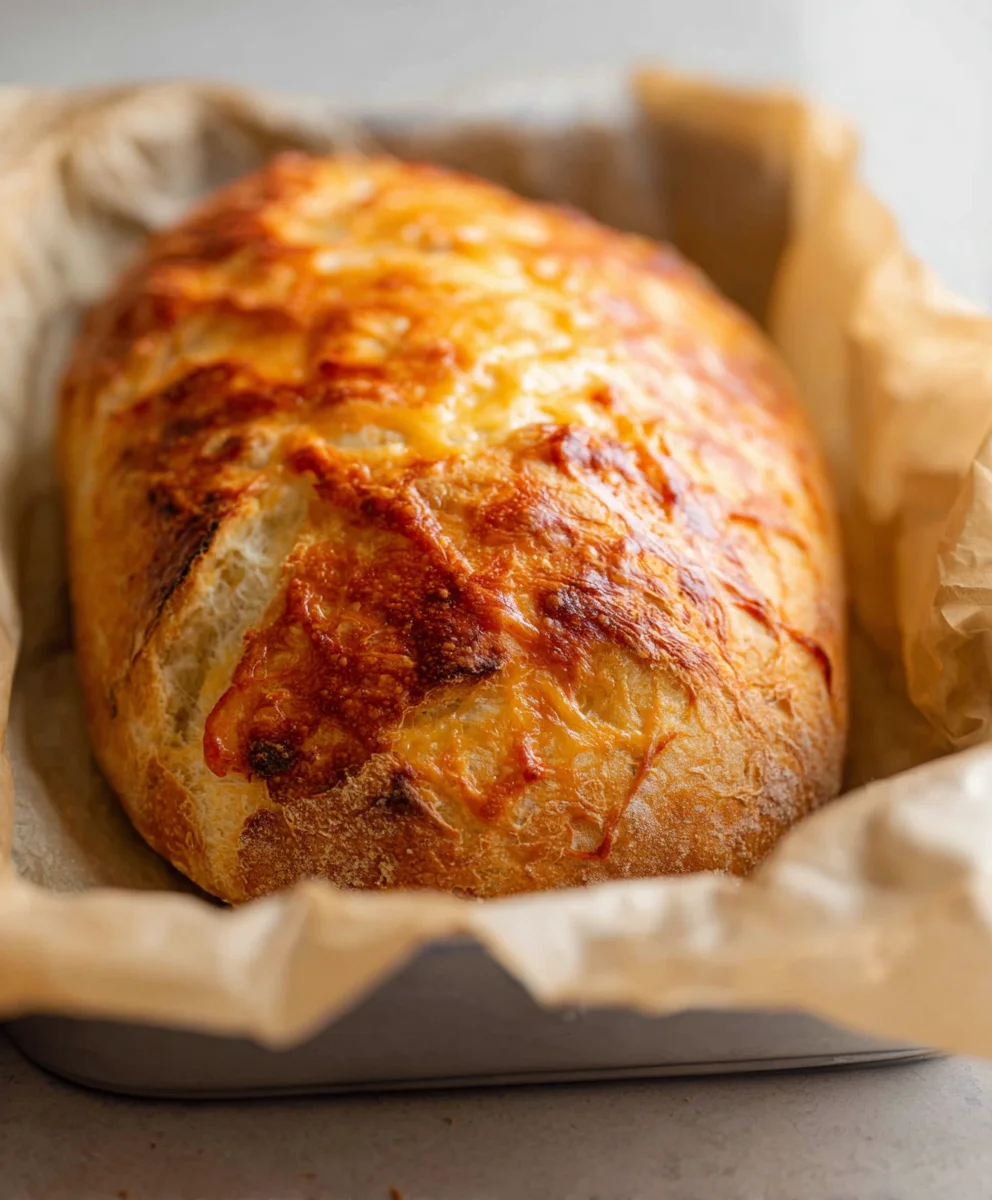
Sourdough Cheese Bread is more than just a loaf; it’s an experience. Imagin extracte the irresistible aroma filling your kitchen, a warm hug of fermented tang and melted, gooey cheese. What is it about this particular bread that captivates so many? It’s the perfect harmony of textures and flavors: the chewy, airy crum extractb characteristic of well-developed sourdough, giving way to pockets of savory, stretchy cheese. It’s a comforting classic, elevated by the depth and complexity that only time and wild yeast can impart. This isn’t your average grocery store loaf. Our Sourdough Cheese Bread recipe is designed to bring out the best in both worlds, creating a deeply satisfying and surprisingly approachable bake that will have everyone reaching for a second slice. Get ready to discover your new favorite way to enjoy homemade bread!

Ingredients:
- 1 cup milk (244 g)
- 1/2 cup active sourdough starter (113 g)
- 1 large egg, plus an extra egg yolk for brushing (optional)
- 1 tablespoon sugar (12 g)
- 1 teaspoon salt (5 g)
- 1 teaspoon garlic powder (3 g)
- 3 cups all-purpose flour (420 g)
- 4 tablespoons unsalted butter, softened (56 g)
- 2 cups shredded cheddar cheese
- Flaky sea salt for sprinkling (optional)
Preparing the Dough
Mixing the Wet Ingredients
In a large mixing bowl, combine the milk and the active sourdough starter. The milk can be at room temperature or slightly warmed – I find lukewarm milk helps to activate the starter beautifully. Whisk these together until the starter is mostly dissolved into the milk. This creates a good base for our Sourdough Cheese Bread. Next, crack in your large egg and whisk it in thoroughly. Add the sugar and salt, along with the garlic powder. The garlic powder is a subtle but wonderful addition that complements the cheese perfectly. Whisk everything until it’s well combined and looks uniform.
Incorporating the Flour and Butter
Now, it’s time to add the flour. Gradually add the 3 cups of flour to the wet ingredients, mixing with a wooden spoon or a dough whisk until a shaggy dough begin extracts to form. At this stage, the dough will be quite sticky. Don’t be tempted to add too much extra flour; the butter will help manage the stickiness. Once the flour is mostly incorporated, add the softened butter, one tablespoon at a time. Continue mixing until the butter is mostly worked into the dough. The butter will make the dough richer and more tender.
Kneading the Dough
Turn the dough out onto a lightly floured surgin extracte. Begin kneading. This process develops the gluten, which is crucial for a good bread structure. Knead for about 8-10 minutes. Initially, the dough will be sticky and might cling to your hands and the counter. Use a bench scraper to help lift and fold the dough. As you knead, the dough will become smoother, more elastic, and less sticky. You’ll know it’s ready when you can stretch a small piece thinly without it tearing immediately – this is called the windowpane test. Once the dough is smooth and elastic, form it into a ball.
First Rise and Incorporating the Cheese
Bulk Fermentation
Lightly grease your mixing bowl with a little oil or butter. Place the kneaded dough ball into the greased bowl, turning it to coat all sides. Cover the bowl tightly with plastic wrap or a damp kitchen towel. Let the dough rise in a warm place for about 2-3 hours, or until it has doubled in size. The exact time will depend on the temperature of your kitchen and the activity of your sourdough starter. This slow fermentation is what gives sourdough its characteristic tangy flavor.
Adding the Cheese
Once the dough has doubled, gently punch it down to release some of the air. Turn the dough out onto your lightly floured surface once more. Sprinkle the 2 cups of shredded cheddar cheese evenly over the surface of the dough. Now, the fun part is folding the cheese into the dough. You can do this by folding the edges of the dough towards the center, gently pressing to incorporate the cheese. Knead the dough very gently for just a minute or two, just enough to distribute the cheese throughout without overworking it. Overworking at this stage can make the dough tough. You want pockets of melty cheese throughout your Sourdough Cheese Bread.
Shaping and Second Rise
Shaping the Loaf
Gently shape the dough into your desired loaf form. You can create a round boule, a rustic oval, or even divide it into smaller rolls. For a boule, gently cup your hands around the dough and rotate it on the counter to create surface tension, forming a smooth, round ball. For an oval, gently pat the dough into a rough rectangle and then roll it up tightly, pinching the seams to seal. Place the shaped loaf onto a baking sheet lined with parchment paper or into a prepared loaf pan.
Second Proofing
Cover the shaped loaf loosely with plastic wrap or a clean kitchen towel. Let it proof for another 1-1.5 hours, or until it has increased noticeably in size and looks puffy. It may not quite double again, but you should see a good rise. If you’re using an egg wash, now is the time to prepare it. In a small bowl, whisk together the extra egg yolk with a teaspoon of water.
Baking the Sourdough Cheese Bread
Preheating and Egg Wash
About 20 minutes before you plan to bake, preheat your oven to 375°F (190°C). If you’re using the optional egg wash, gently brush the top of the proofed loaf with the egg yolk mixture. This will give your Sourdough Cheese Bread a beautiful golden-brown crust and a lovely sheen. For an extra touch of flavor and texture, sprinkle the top generously with flaky sea salt.
Baking to Perfection
Carefully place the baking sheet or loaf pan into the preheated oven. Bake for 30-40 minutes, or until the crust is deep golden brown and the internal temperature of the bread reaches 200-210°F (93-99°C) when tested with an instant-read thermometer. The aroma of baking cheese and sourdough will fill your kitchen! If the top is browning too quickly, you can loosely tent it with aluminum foil during the last 10-15 minutes of baking.
Cooling and Enjoying
Once baked, remove the Sourdough Cheese Bread from the oven. Transfer it immediately to a wire rack to cool completely. This is a crucial step to allow the internal structure of the bread to set. Resisting the urge to slice into it while it’s piping hot is tough, but it’s worth it for the best texture. Once fully cooled, slice and enjoy this incredibly flavorful and satisfying Sourdough Cheese Bread. It’s delicious on its own, toasted, or served with your favorite spreads.
Conclusion:
I hope you’ve enjoyed diving into the wonderful world of making your very own Sourdough Cheese Bread! This recipe is a testament to the magic that happens when simple ingredients, a bit of patience, and the magic of wild yeast come together. The result is a loaf with a delightfully tangy crum extractb and a wonderfully cheesy, savory crust that’s truly unparalleled. It’s perfect for sharing, or for savoring all to yourself with a warm pat of butter.
For serving, this Sourdough Cheese Bread is incredibly versatile. It makes for a fantastic base for sandwiches, a delightful accompaniment to soups and stews, or simply enjoyed on its own as a satisfying snack. Consider toasting slices for an even more intense cheese flavor and a delightful crunch.
Don’t be afraid to experiment with variations! You can try different types of cheese, such as sharp cheddar, Gruyère, or even a spicy pepper jack. Herbs like chives or rosemary can also be incorporated into the dough for an extra layer of flavor. The possibilities are truly endless! I encourage you to embrace the sourdough journey and make this Sourdough Cheese Bread your own. Happy baking!
FAQs
What is the best way to store leftover Sourdough Cheese Bread?
To keep your Sourdough Cheese Bread fresh, store it at room temperature in a bread bag or an airtight container for up to 3-4 days. If you have a particularly warm or humid environment, you might consider slicing it and storing it in the refrigerator, although this can sometimes affect the crust’s crispness. For longer storage, freezing is an excellent option. Slice the loaf, wrap it tightly in plastic wrap, and then place it in a freezer-safe bag. It can be frozen for up to 3 months.
Can I use pre-shredded cheese for this Sourdough Cheese Bread recipe?
While you can technically use pre-shredded cheese, it’s generally recommended to shred your cheese yourself from a block. Pre-shredded cheeses often contain anti-caking agents that can interfere with the cheese melting smoothly and evenly into the dough, potentially affecting the texture and the delicious cheesy pockets you desire in your Sourdough Cheese Bread. Freshly shredded cheese melts more readily and provides a superior texture and flavor.
Sourdough Cheese Bread- Cheesy Homemade Deliciousness
A delightfully cheesy and flavorful homemade sourdough bread, perfect for any occasion.
Ingredients
-
1 cup milk
-
1/2 cup active sourdough starter
-
1 large egg
-
1 tablespoon sugar
-
1 teaspoon salt
-
1 teaspoon garlic powder
-
3 cups all-purpose flour
-
4 tablespoons unsalted butter, softened
-
2 cups shredded cheddar cheese
-
1 extra egg yolk for brushing (optional)
-
Flaky sea salt for sprinkling (optional)
Instructions
-
Step 1
In a large mixing bowl, combine milk, active sourdough starter, 1 large egg, sugar, salt, and garlic powder. Whisk until well combined. -
Step 2
Gradually add the flour to the wet ingredients, mixing until a shaggy dough forms. Add softened butter, one tablespoon at a time, and continue mixing until mostly incorporated. -
Step 3
Turn the dough out onto a lightly floured surface and knead for 8-10 minutes until smooth, elastic, and less sticky. Form into a ball. -
Step 4
Place the dough in a lightly greased bowl, cover, and let rise in a warm place for 2-3 hours, or until doubled in size. -
Step 5
Punch down the dough, turn it out onto a floured surface, and sprinkle the shredded cheddar cheese evenly over it. Gently knead for 1-2 minutes to distribute the cheese. -
Step 6
Shape the dough into your desired loaf form and place it on a parchment-lined baking sheet or into a prepared loaf pan. Cover loosely and let proof for another 1-1.5 hours, or until puffy. -
Step 7
Preheat oven to 375°F (190°C). If using, brush the top of the loaf with egg yolk and sprinkle with flaky sea salt. -
Step 8
Bake for 30-40 minutes, or until the crust is deep golden brown and the internal temperature reaches 200-210°F (93-99°C). -
Step 9
Remove from oven and transfer to a wire rack to cool completely before slicing and enjoying.
Important Information
Nutrition Facts (Per Serving)
It is important to consider this information as approximate and not to use it as definitive health advice.
Allergy Information
Please check ingredients for potential allergens and consult a health professional if in doubt.


Leave a Comment